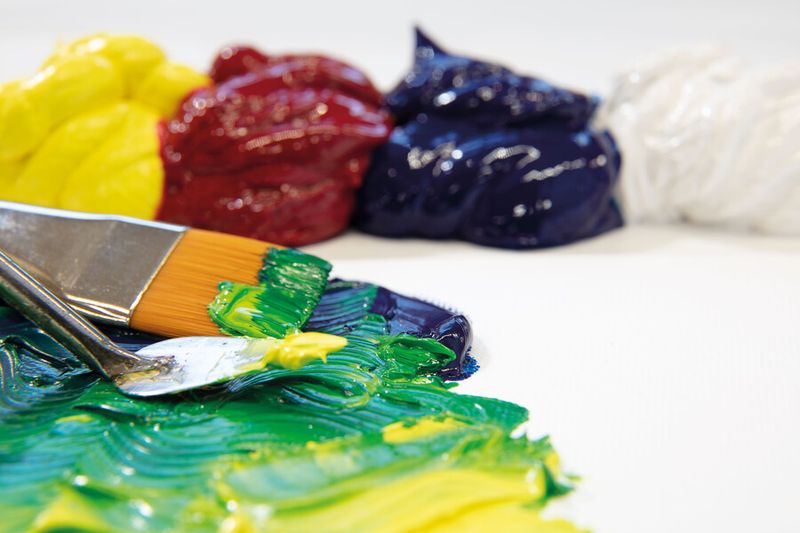
Oil paints are valued for their generous working time, rich colour and ability to build smooth transitions and layered effects. They can be used for everything from first painting exercises to portraits, landscapes and more developed studio work.
You do not need dozens of tubes to begin. A useful palette, a suitable canvas, a few well-chosen brushes and the right auxiliaries are a far better starting point.
Browse Oil Paints at Aristidou.gr
 Which Oil Colours Should You Choose?
For a first setup, it is usually better to invest in a small selection of useful colours and learn how to mix them.
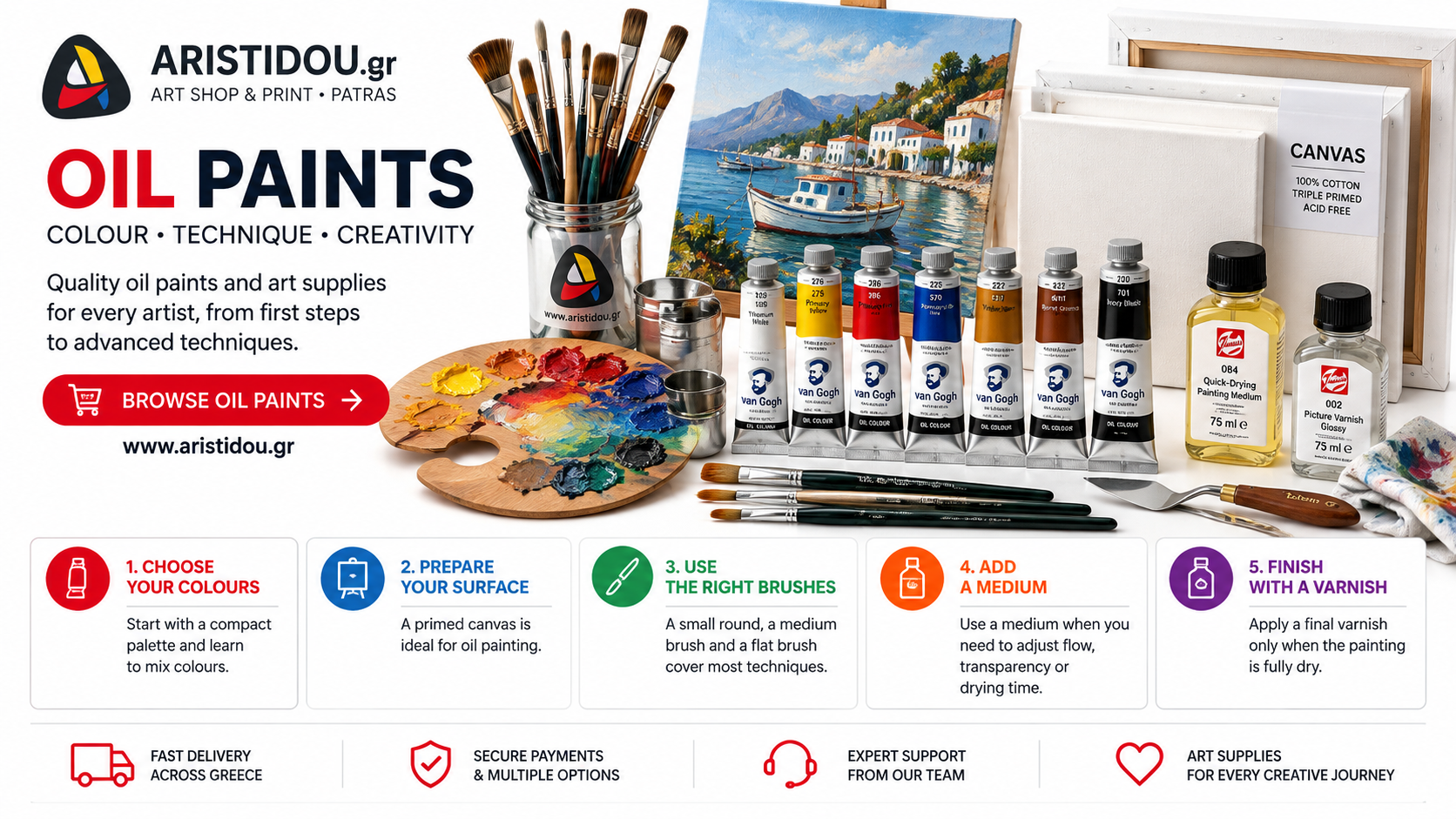
A practical starting palette might include:
• Titanium White
• yellow
• red
• blue
• Yellow Ochre
• Burnt Sienna
• a dark neutral or black
White is generally used in larger quantities, so choosing a larger tube can be practical.
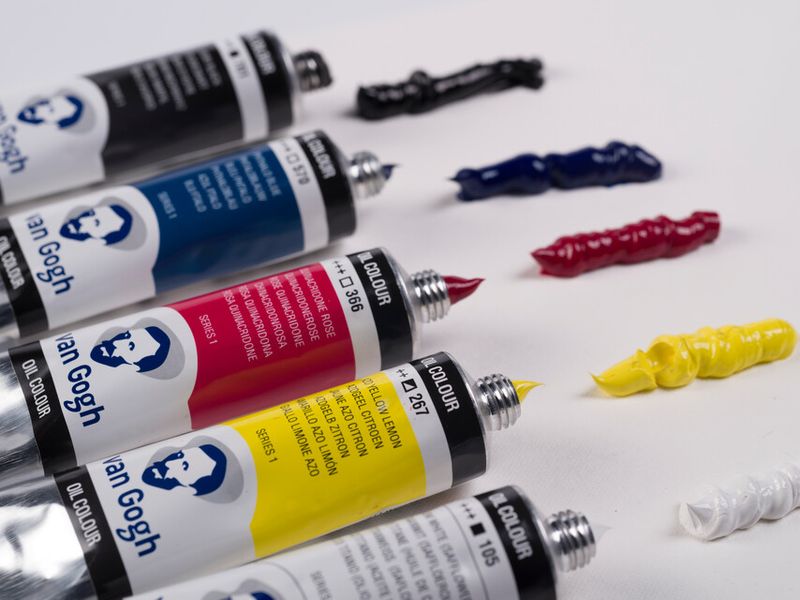
Van Gogh Oil Colours 20ml are useful when you want to build your own palette from individual shades.
For colours you use more frequently, you can consider the larger Van Gogh Oil Colours 60ml.
What Should You Look for in an Oil Paint?
Colour alone is not the only consideration.
Pigment strength, paint consistency, opacity or transparency and lightfastness all affect how a colour behaves.
Different pigments do not necessarily behave in the same way. One colour may be more transparent and suitable for thin layers, while another may provide stronger coverage.
Making small colour tests before starting a larger painting can help you understand how each colour performs.
Which Surface Is Suitable for Oil Painting?
A prepared canvas is one of the most common surfaces for oil painting.
For a ready-to-use surface, browse stretched canvases and painting canvases.
If you are just starting, a small or medium-sized canvas is usually easier to manage. It requires less paint and allows you to practise techniques without working across a very large surface.
You can also read our guide to choosing a painting canvas.
Which Brushes Do You Need for Oil Paints?
You do not need a large brush set at the beginning.
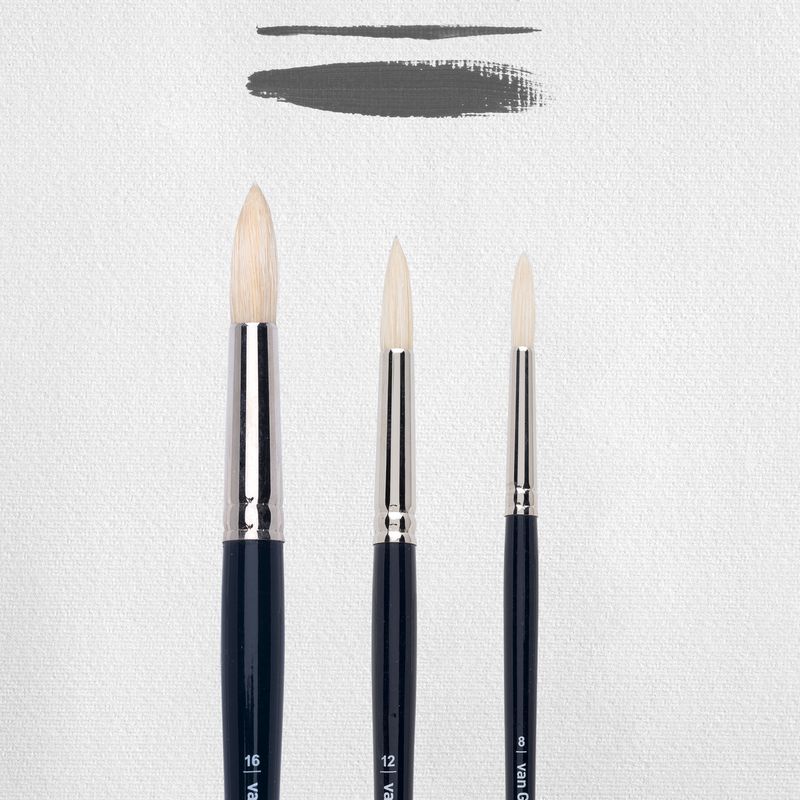
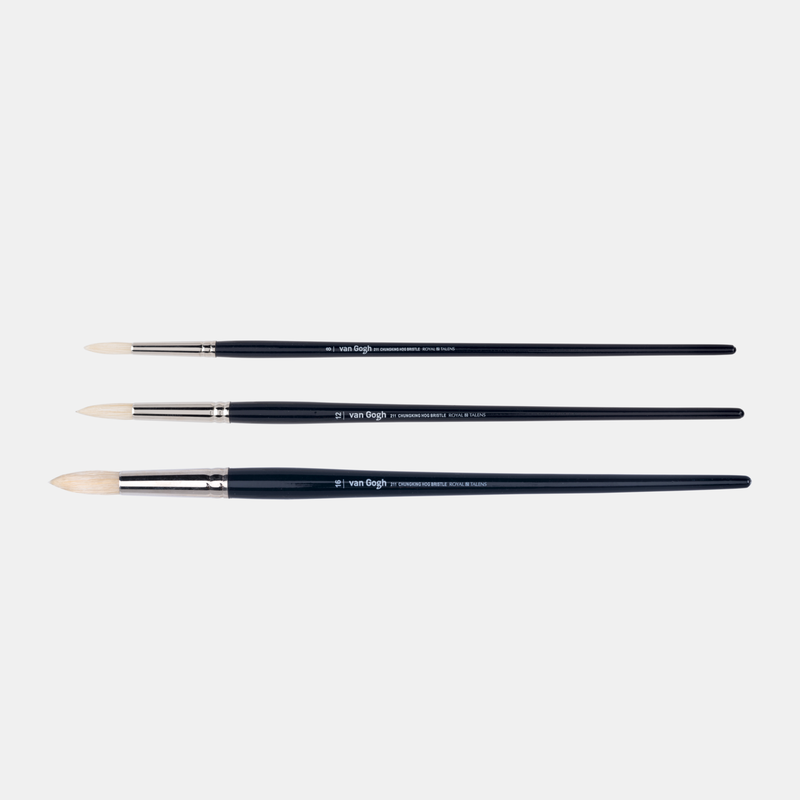
A small round brush for details, a medium brush and a flat brush for broader areas can cover many basic painting needs.
For more pronounced brushwork and thicker paint applications, natural hog bristle is a traditional choice. The Van Gogh 211 Hog Bristle Brush is designed for oil and acrylic painting.
Browse all painting brushes.
Do You Need a Medium for Oil Painting?
Not for every application, but a suitable painting medium can alter the flow, transparency or drying time of oil paint.
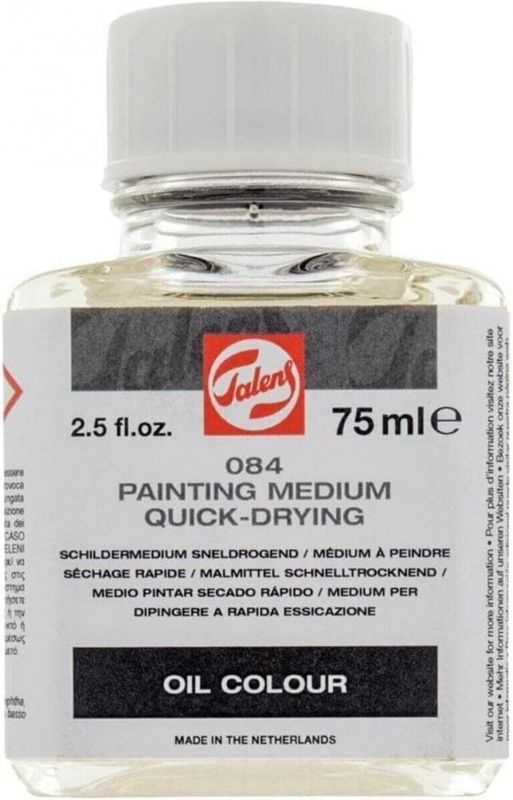
For example, Talens Quick-Drying Painting Medium 084 can be used when you want to modify the handling of the paint and speed up drying.
There is no need to start with several different mediums. First learn how the paint behaves on its own, then introduce a medium when you have a specific reason to use one.
Browse Painting Mediums & Auxiliaries.
How Do You Clean Oil Paint from Brushes?
For traditional oil paints, brushes are commonly cleaned initially with White Spirit, also known as mineral spirits, or with a specialist oil-paint brush cleaner.
First remove as much paint as possible from the brush. Then clean it with a small amount of solvent and finish by washing it gently with mild soap and water.
Always use solvents in a well-ventilated area and do not dispose of them down the drain.
When Should You Apply Varnish?
Final varnish should not be applied simply because the surface of the painting feels dry.
Oil paintings need time to dry thoroughly. A final varnish should only be applied once the painting has sufficiently dried and cured, following the instructions for the specific varnish being used.
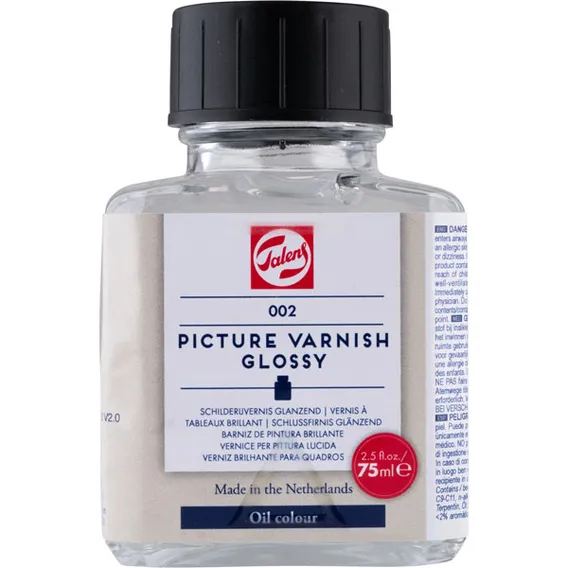
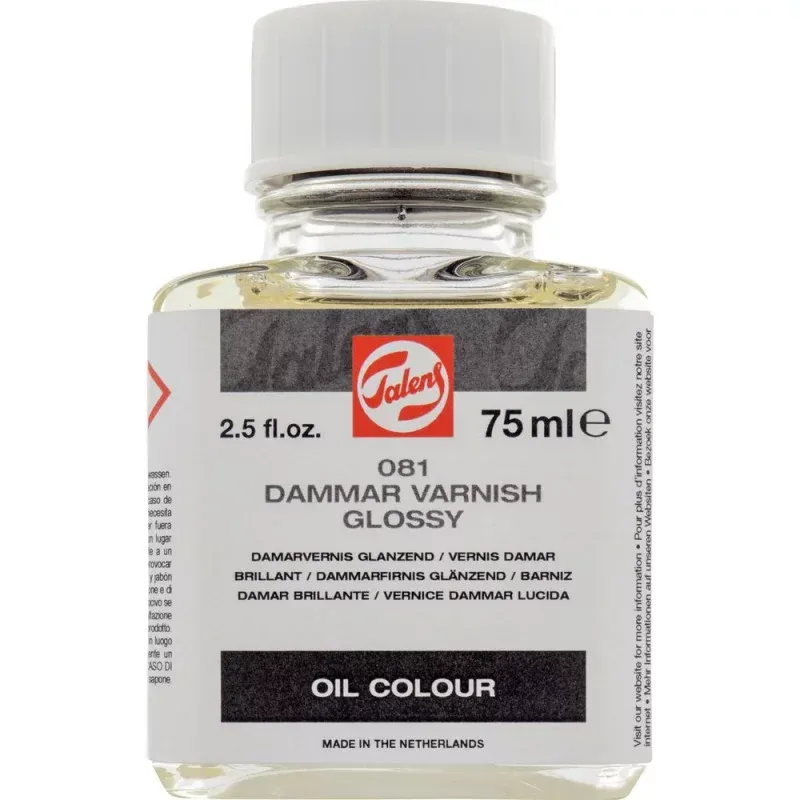
For a matt finish, there is Talens 082 Dammar Varnish Matt 75ml, while Talens Picture Varnish Glossy 002 provides a glossy finish.
What Do You Need to Get Started?
A simple first oil painting setup can include:
• 6 to 8 essential oil colours
• a prepared canvas
• 3 to 5 brushes
• a palette
• a suitable painting medium, only if required
• White Spirit or a specialist oil-paint brush cleaner
There is no need to buy every available tool from the beginning. Start with the essentials and add materials as your painting technique develops.
Conclusion
To begin painting with oils, choose a small but practical colour palette, a suitable canvas and a few brushes in different shapes and sizes.
As your technique develops, you can add more colours, mediums and specialist materials according to the way you prefer to paint.
Browse oil paints and oil painting auxiliaries at Aristidou.gr.
Frequently Asked Questions
How many oil colours does a beginner need?
Six to eight useful colours are enough to start learning basic colour mixing.
Which canvas is suitable for oil painting?
Choose a prepared canvas that is specifically suitable for oil painting.
Do you need a medium with oil paints?
Not always. A medium is useful when you want to modify specific characteristics such as flow, transparency or drying time.
What should you use to clean oil-paint brushes?
Traditional oil-paint brushes can be cleaned initially with White Spirit, also known as mineral spirits, or a specialist oil-paint brush cleaner. Finish by washing the brush gently with mild soap and water.