How to Choose Air-Dry Clay for Crafts: A Buying Guide
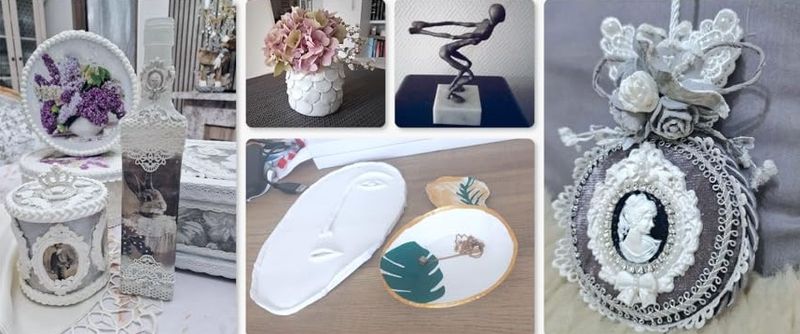
Air-dry clay is one of the most accessible materials for craft projects, modelling, school activities and DIY décor. It does not require a kiln: you shape it, add texture and allow it to harden naturally according to the product instructions.
The main challenge is choosing the right version. Should you buy white or terracotta clay? Is a glitter finish suitable for your project? When does a wood-effect or stone-effect clay make more sense than a standard material? And how much clay do you actually need?
This guide explains how to choose air-dry modelling clay based on project size, finish and intended decoration. It also covers useful tools, painting options, common mistakes and practical product combinations.
 What Is Air-Dry Clay?
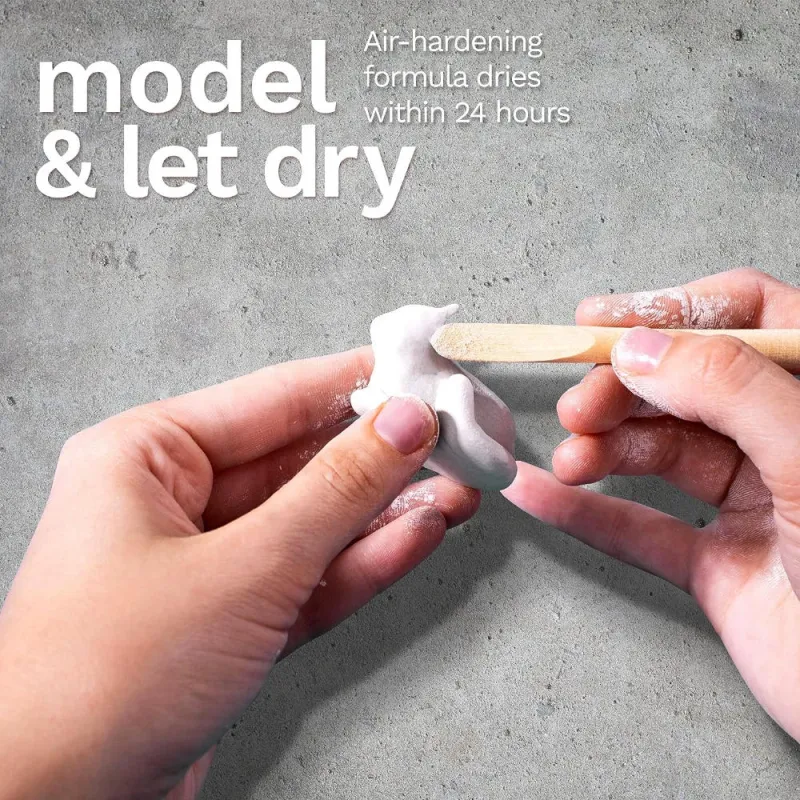
Air-dry clay is a pliable modelling material that gradually hardens when exposed to air. Unlike traditional ceramic clay, it does not require firing in a pottery kiln.
It is commonly used for:
- decorative ornaments,
- small sculptures,
- relief work,
- magnets,
- personalised tags,
- miniature models,
- jewellery dishes,
- seasonal crafts,
- school projects,
- home décor.
Drying time varies according to the material, thickness, room temperature and humidity. Always follow the instructions supplied with the individual product.
Choosing Clay by Colour and Finish
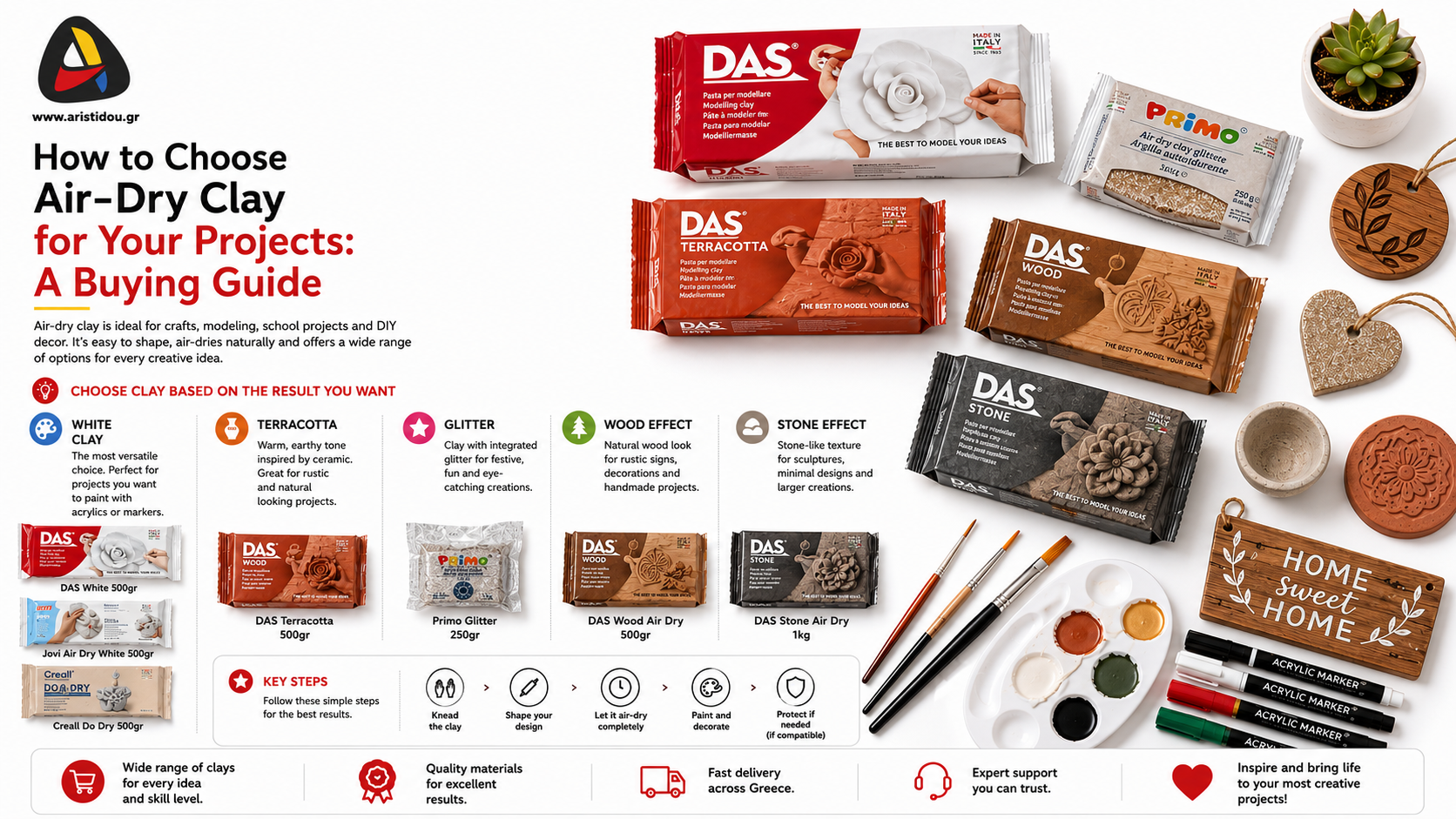
White Air-Dry Clay: The Most Versatile Option
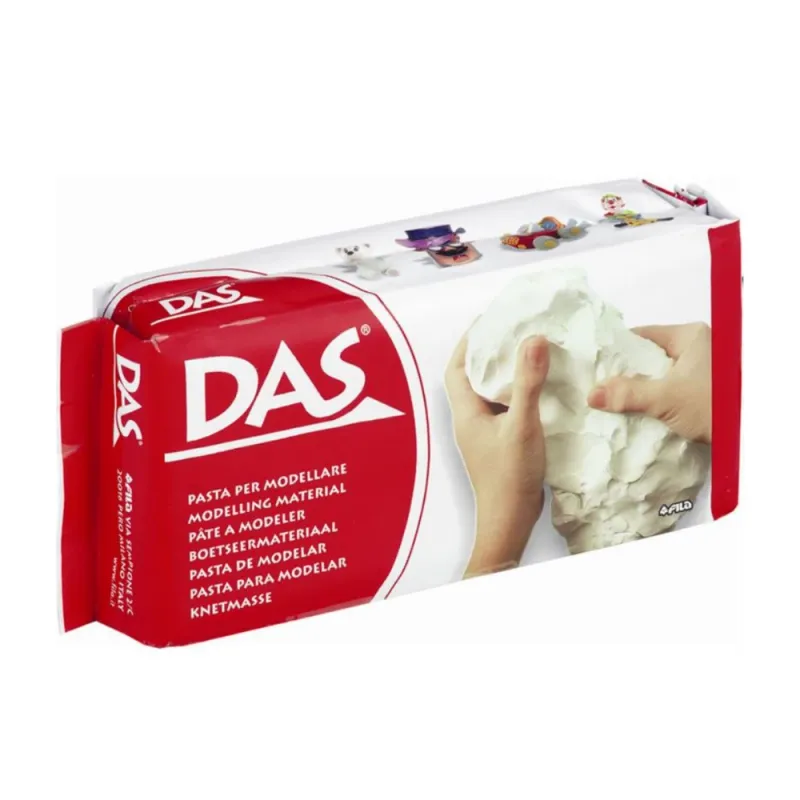
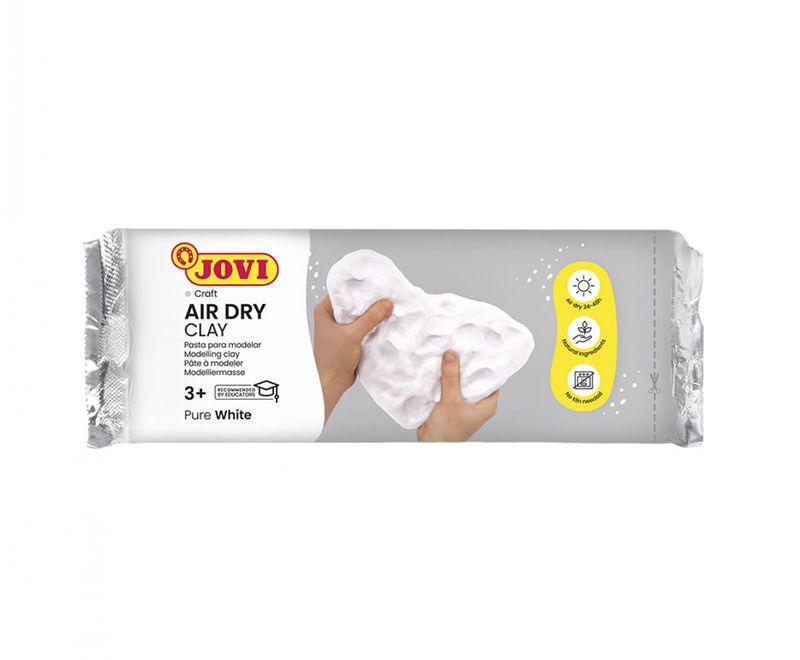
White clay is a practical choice when you plan to paint or decorate the entire piece after it has dried. Its neutral surface allows colours to appear clearly and supports a wide range of styles.
It works well for:
- figurines,
- ornaments,
- relief designs,
- magnets,
- name plaques,
- decorative shapes,
- acrylic-painted projects,
- marker details.
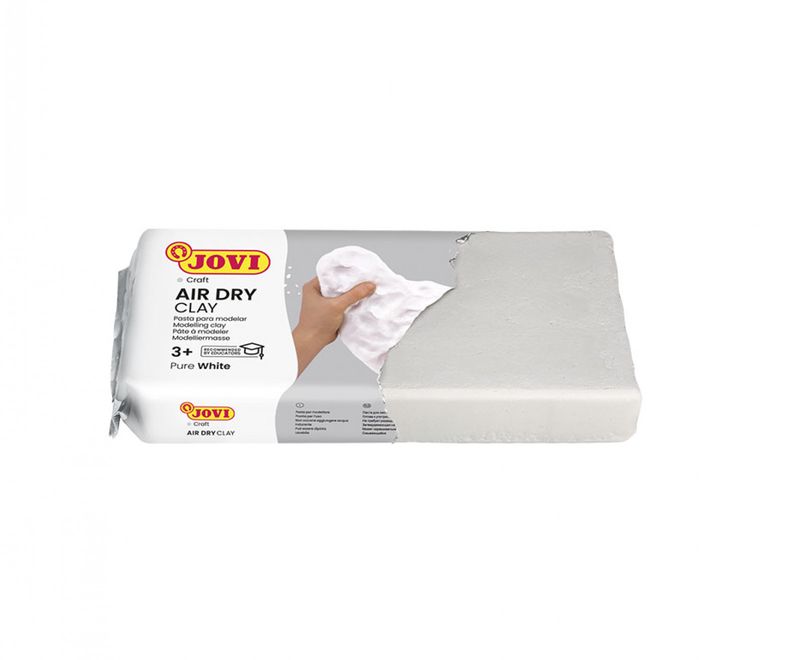
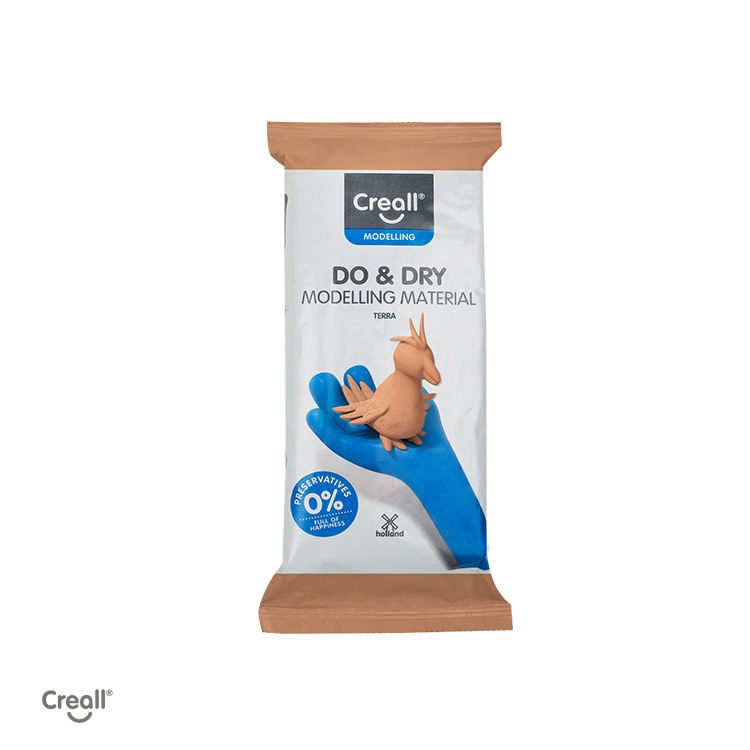
Suitable options include DAS White Modelling Clay 500g, Jovi White Air-Drying Clay 500g and Creall Do Dry 500g. A 500g pack is generally convenient for one medium-sized project or several smaller pieces.
Buying tip: When you have not yet decided on the final colour scheme, white clay gives you the greatest freedom to change the design later.
Terracotta Clay: For a Warm, Earthy Look
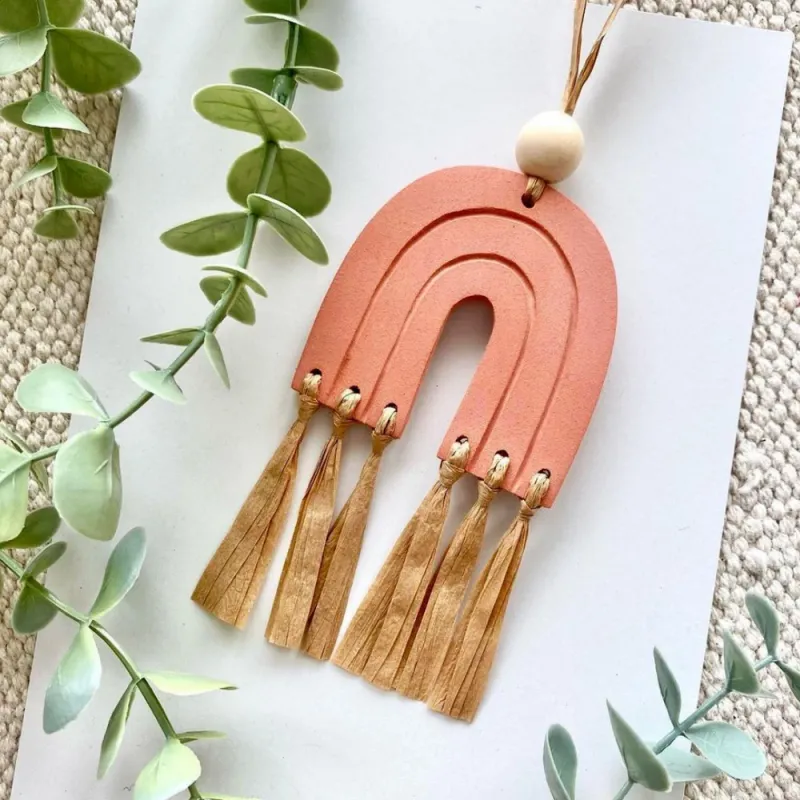
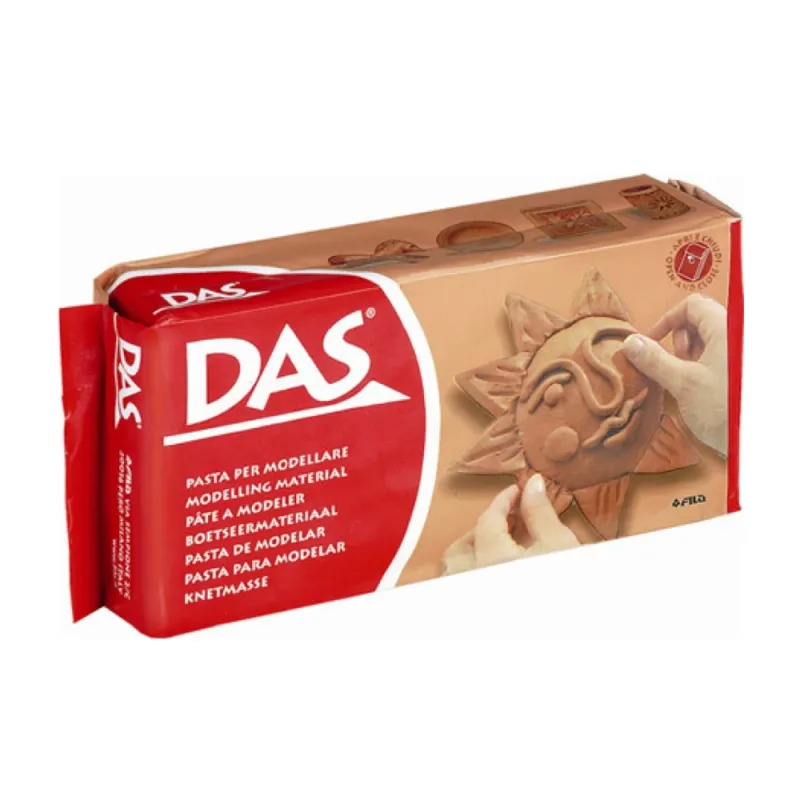
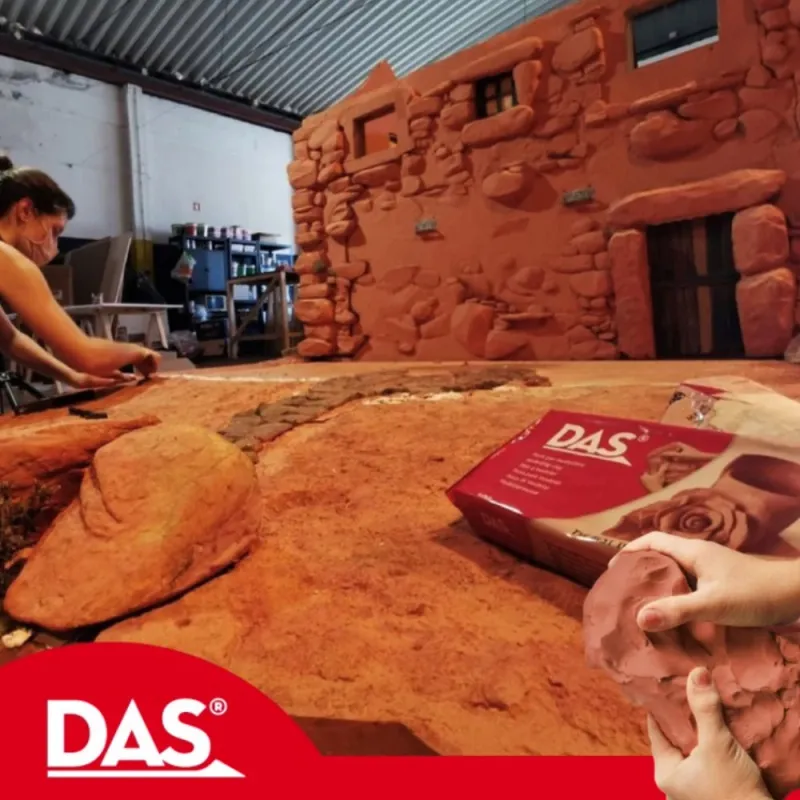
Terracotta clay provides a warm, natural colour inspired by traditional ceramic materials. It can be left partially unpainted or enhanced with subtle washes, metallic accents and dry-brushed details.
It is especially suitable for:
- rustic decorations,
- botanical motifs,
- ornaments,
- relief panels,
- small sculptures,
- Mediterranean-inspired crafts.
DAS Terracotta Modelling Clay 500g air-dries and offers an immediate earthy base, making it useful when you do not want to begin with a plain white surface.
Glitter Clay: For Festive and Playful Projects
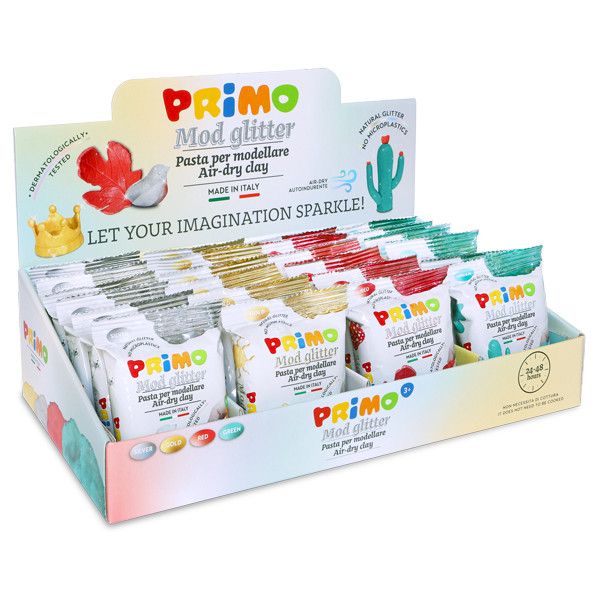
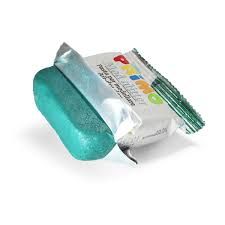
Glitter clay contains a decorative sparkle within the material itself. It is a convenient choice when you want a lively finish without applying loose glitter afterwards.
Primo Glitter Air-Dry Modelling Clay 250g can be used for:
- festive ornaments,
- stars and hearts,
- small charms,
- children’s supervised craft activities,
- personalised decorations,
- small gifts.
The 250g format is useful for compact projects or for trying a special-effect material without purchasing a larger pack.
Wood-Effect Clay: For Natural and Rustic Designs
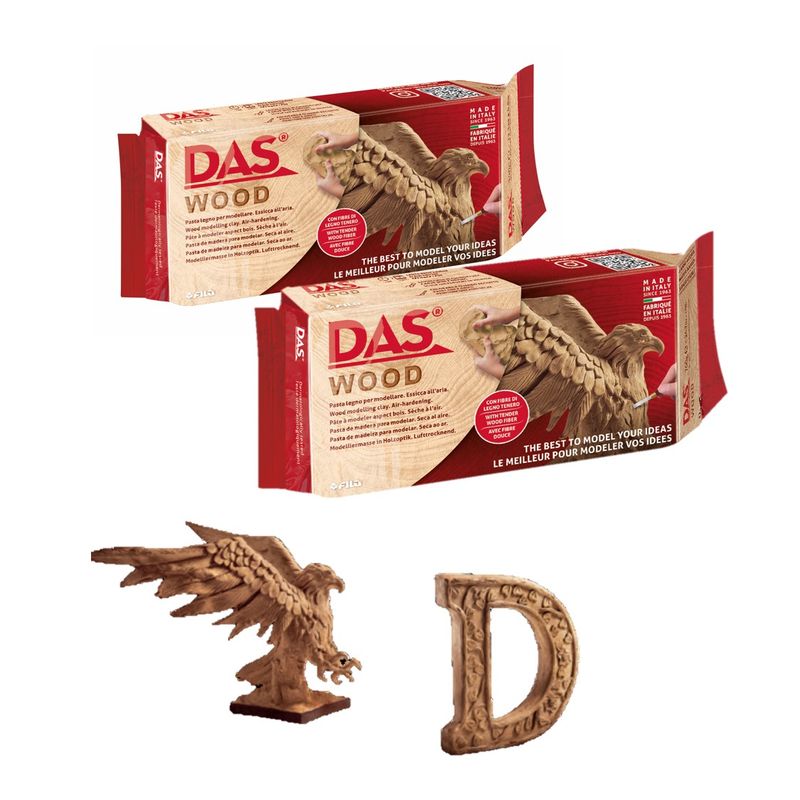
DAS Wood Air Dry Clay has a finish designed to evoke the look of wood. It suits organic, rustic and nature-inspired projects where the clay’s surface contributes to the overall design.
Possible uses include:
- miniature signs,
- hanging decorations,
- relief work,
- rustic ornaments,
- model-making elements,
- natural-style decorative pieces.
Pair it with fine brushes, earth-tone acrylic paints and acrylic markers for lettering or subtle accents.
Stone-Effect Clay: For Sculptural and Minimal Décor
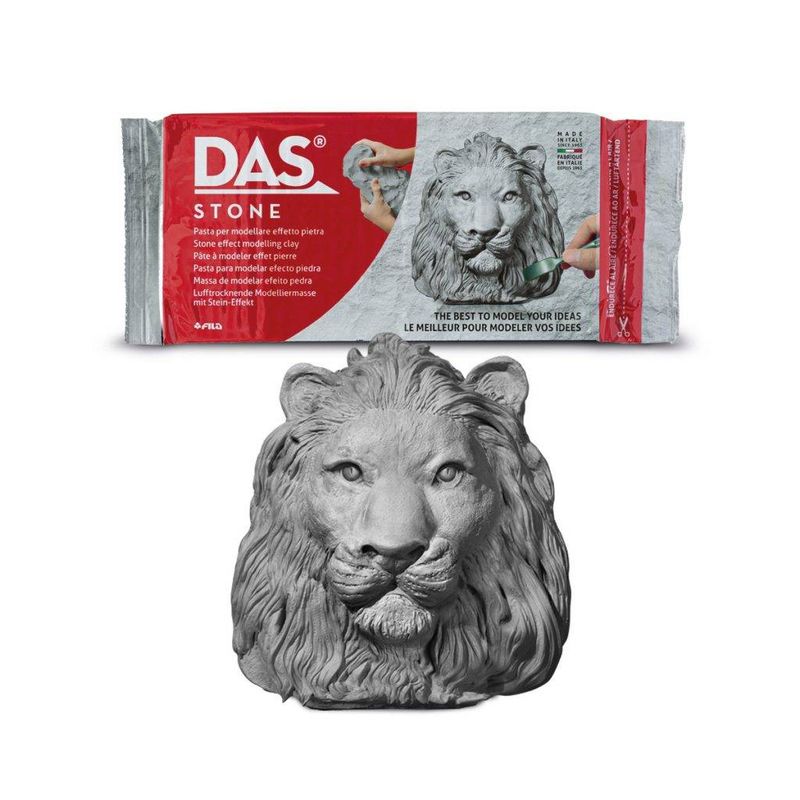
DAS Stone Air Dry Clay 1kg provides a stone-inspired appearance and comes in a larger format that can be useful for more substantial projects.
It is well suited to:
- abstract sculptures,
- decorative bowls,
- small statues,
- bases and plinths,
- textured reliefs,
- minimal home décor,
- architectural-style craft projects.
Because the material already has a distinctive appearance, you may choose to leave much of the surface unpainted and add only selected details.
How Much Clay Do You Need?
The amount required depends on the size, thickness and number of pieces.
250g Packs
Best for:
- trying a new clay,
- a few small ornaments,
- charms,
- decorative details,
- short craft sessions.
500g Packs
Suitable for:
- one medium-sized project,
- several flat ornaments,
- small models,
- classroom assignments,
- a coordinated set of decorations.
1kg Packs
More practical for:
- larger sculptural work,
- multiple pieces,
- group activities,
- projects requiring greater volume,
- larger stone-effect designs.
Expert tip: Allow for slightly more clay than the finished object appears to require. Testing, joining pieces and correcting shapes all use additional material.
Essential Tools for Air-Dry Clay
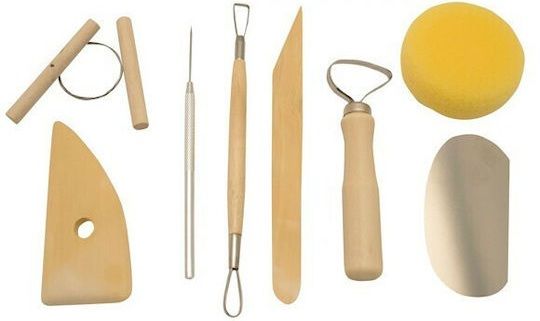
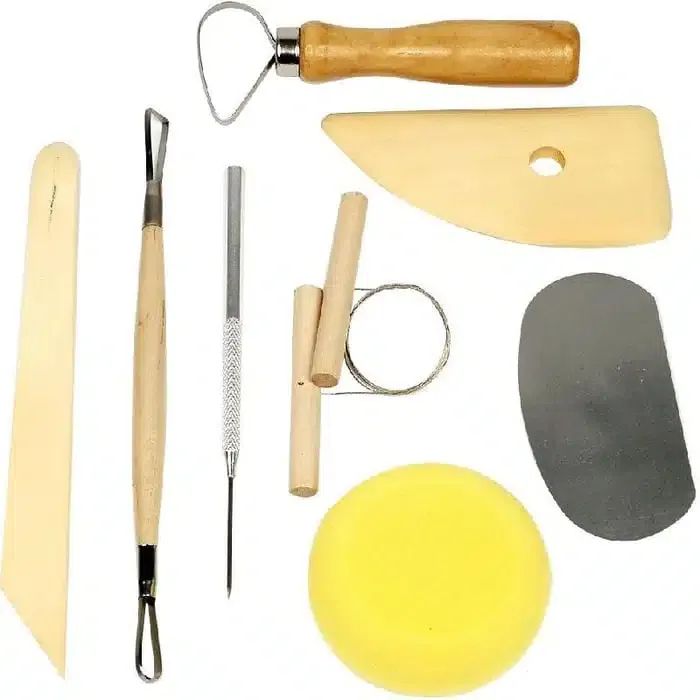
A basic setup does not need to be complicated. Consider:
- a clean, smooth work surface,
- a small roller,
- modelling tools,
- suitable cutters,
- a sculpting spatula,
- a fine detailing tool,
- texture stamps,
- brushes,
- compatible acrylic paints,
- acrylic markers,
- suitable adhesive for added elements,
- compatible varnish when required.
For a more complete kit, combine modelling clay with different brush sizes, a palette and a small selection of versatile acrylic colours.
How to Work with Air-Dry Clay
Prepare the Work Surface
Work on a clean, protected surface. Dust, fibres and small particles can become embedded in soft clay.
Remove Only What You Need
Take out the amount required for the current stage and reseal the remaining clay immediately. Continuous exposure to air may begin drying the unused material.
Keep the Thickness Relatively Even
Very uneven thickness can result in uneven drying. When making flat ornaments, plaques or small dishes, use a roller and thickness guides where possible.
Join Pieces Carefully
Simply pressing two smooth pieces together may not create a strong join. Depending on the product, you may need to lightly score the contact areas, add a small amount of moisture or carefully blend the seam.
Allow the Piece to Dry Gradually
Avoid placing the project beside strong heat in an attempt to speed up drying. The surface may harden before the interior, increasing the risk of cracking or distortion.
Painting and Decorating Air-Dry Clay
Once the clay is fully dry, many white or neutral air-dry clays can be decorated using compatible acrylic paints.
Acrylic paint is useful for:
- full colour coverage,
- layered colour,
- shading,
- dry-brush effects,
- metallic finishes,
- decorative patterns.
Acrylic paint markers are particularly useful for:
- outlines,
- lettering,
- names,
- geometric motifs,
- dots,
- fine details.
For efficient cross-selling, pair the clay with acrylic paints, fine and medium brushes, palettes and markers. The Aristidou guide to markers for different surfaces can help customers choose tools for detailed decoration.
Does Air-Dry Clay Need Varnish?
A compatible varnish may alter the finish and offer a degree of surface protection. Depending on the product, you may choose a matt, satin or gloss effect.
Apply varnish only after:
- the clay is completely dry,
- all paint layers are dry,
- material compatibility has been checked,
- a small test has been completed.
Varnish does not automatically make an item waterproof, food-safe or suitable for permanent outdoor exposure.
Common Air-Dry Clay Mistakes
Choosing by Price Alone
The pack size, colour and effect should match the project. A small pack may cost less but may not be sufficient for a larger design.
Using Too Much Water
Excess water can soften the surface, reduce detail and affect drying.
Making a Very Thick Solid Form
Large solid forms dry more slowly and less evenly. Suitable internal support may be helpful for larger projects.
Painting Before the Clay Is Fully Dry
Moisture inside the object can affect paint application and adhesion.
Leaving the Pack Open
Air-dry clay should be tightly resealed whenever it is not being used.
Using Decorative Clay for Food or Water
Standard air-dry craft clay should not be assumed to be food-safe, waterproof or suitable for drinkware unless the complete material system is explicitly approved for that purpose.
Which Product Suits Your Project?
For Paintable White Projects
Consider:
- DAS White Modelling Clay 500g,
- Jovi White Air-Drying Clay 500g,
- Creall Do Dry 500g.
Add acrylic paints, brushes and acrylic markers for decoration.
For an Earthy Ceramic-Inspired Look
Choose DAS Terracotta 500g for warm, rustic and Mediterranean-style crafts.
For Small Festive Decorations
Primo Glitter 250g is a convenient choice for ornaments and decorative pieces with built-in sparkle.
For a Natural Wood-Like Finish
DAS Wood Air Dry Clay suits rustic signs, hanging ornaments and natural-style modelling.
For Stone-Inspired Sculptural Work
DAS Stone 1kg is a useful option for larger projects and designs with a minimal, stone-effect finish.
Explore the Plasticine & Craft Clay collection at Aristidou.gr to compare colours, effects and pack sizes.
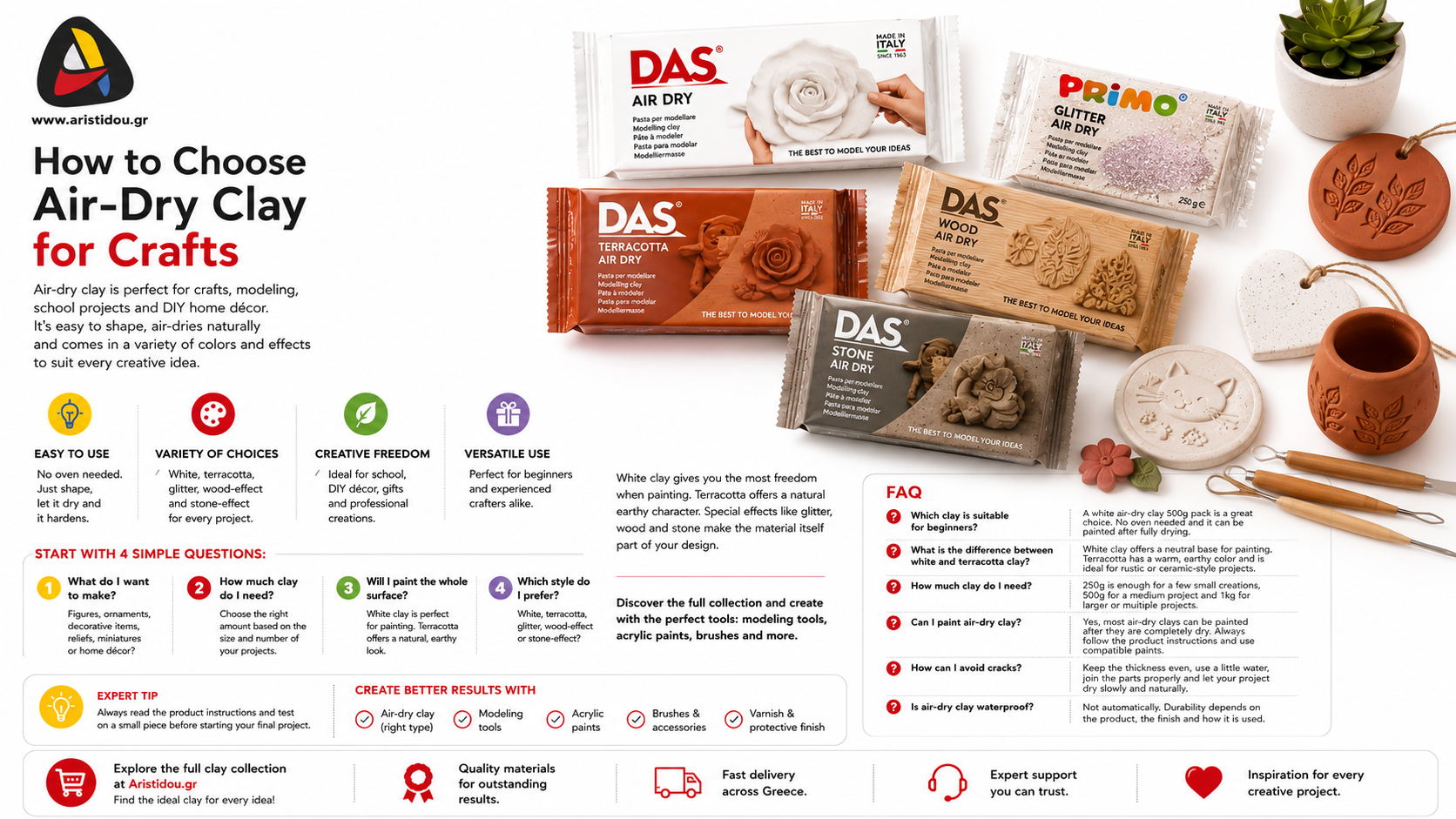
To choose the right air-dry clay, consider four factors:
- What are you making?
- How much material will you need?
- Will you paint the entire piece?
- Do you want a white, terracotta, glitter, wood-effect or stone-effect finish?
White clay offers the greatest freedom for painting. Terracotta provides an instant earthy appearance. Special-effect clays allow the material itself to become part of the design.
Choose the right pack size, then complete your setup with modelling tools, acrylic paints, brushes, markers and compatible finishing products.
Frequently Asked Questions
Which air-dry clay is best for beginners?
A 500g pack of white air-dry clay is a practical starting point because it does not require a kiln and can be painted after it has dried completely.
What is the difference between white and terracotta clay?
White clay provides a neutral base for painting. Terracotta clay has a ready-made earthy colour suited to rustic and ceramic-inspired projects.
How much clay do I need?
A 250g pack suits a few small pieces, 500g is practical for a medium project, and 1kg is more appropriate for larger or multiple creations.
Can air-dry clay be painted?
Many air-dry clays can be painted once completely dry. Check the product instructions and use compatible paint.
How can I reduce cracking?
Keep the thickness reasonably even, avoid excess water, join sections properly and allow the project to dry gradually.
Is air-dry clay waterproof?
It should not be assumed to be waterproof. Moisture resistance depends on the clay, paint, finish and intended use.