Gouache is a water-based paint that combines easy handling with far greater opacity than traditional watercolour. It dries to a characteristically matt finish and works particularly well for illustration, colour studies, design, sketchbooks and flat areas of colour.
Because it is diluted with water, gouache is often compared with watercolour. The finished effect, however, is quite different. It can also resemble acrylic when applied opaquely, but traditional gouache can usually be reactivated with water after drying.
Browse gouache and poster paints at Aristidou.gr
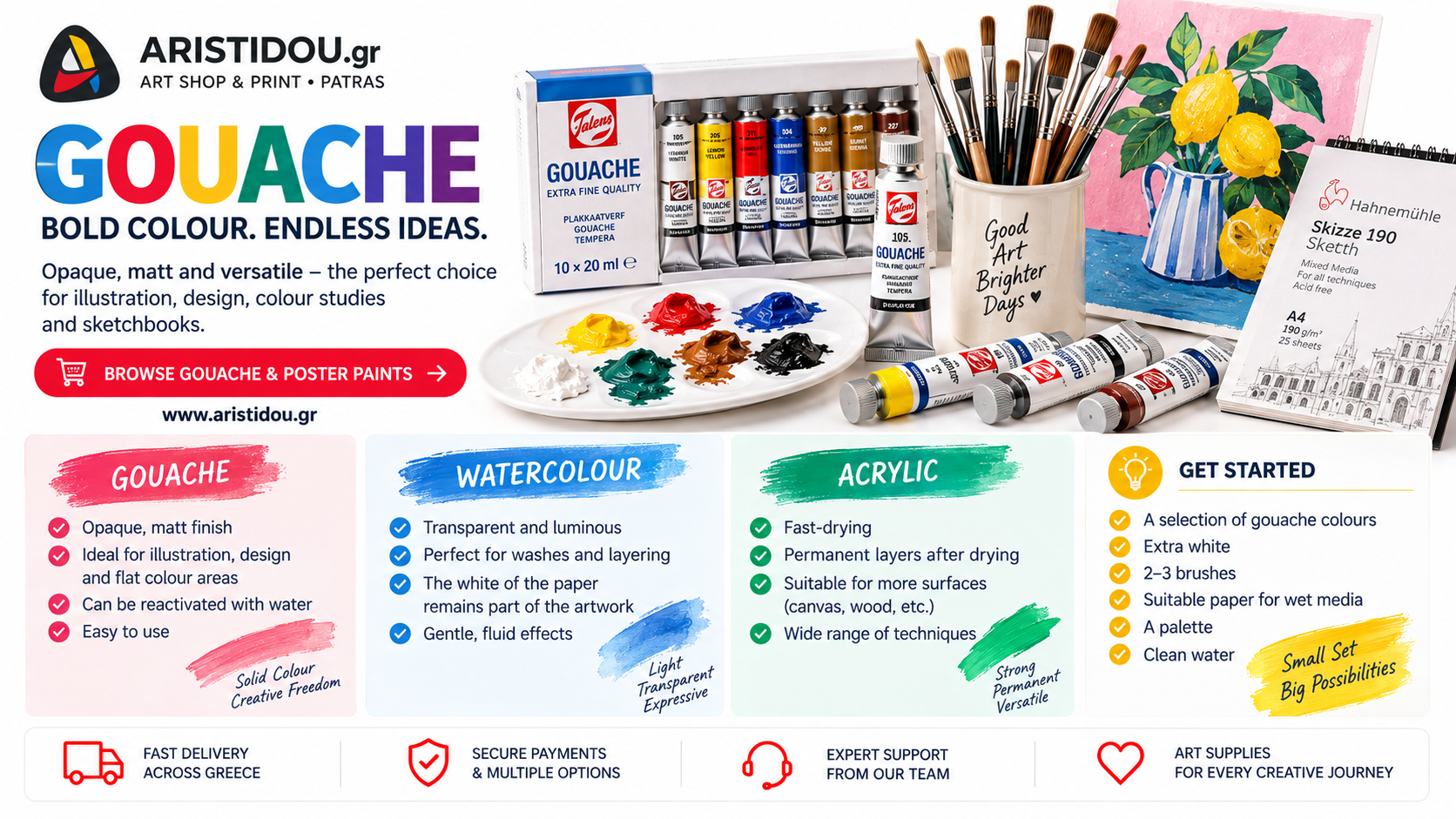 Gouache, Watercolour or Acrylic?
Choose gouache for opaque, matt colour, illustration and controlled blocks of colour.
Choose watercolour for transparency, light washes and layered effects where the white of the paper remains part of the painting.
Choose acrylic when you need fast-drying, permanent layers and greater flexibility across different surfaces.
What Is Gouache?
Gouache uses pigment in a water-soluble binder and is thinned with water.
Its defining feature is opacity. It allows you to create solid colour areas, sharp details and strong contrasts without relying heavily on the white paper underneath.
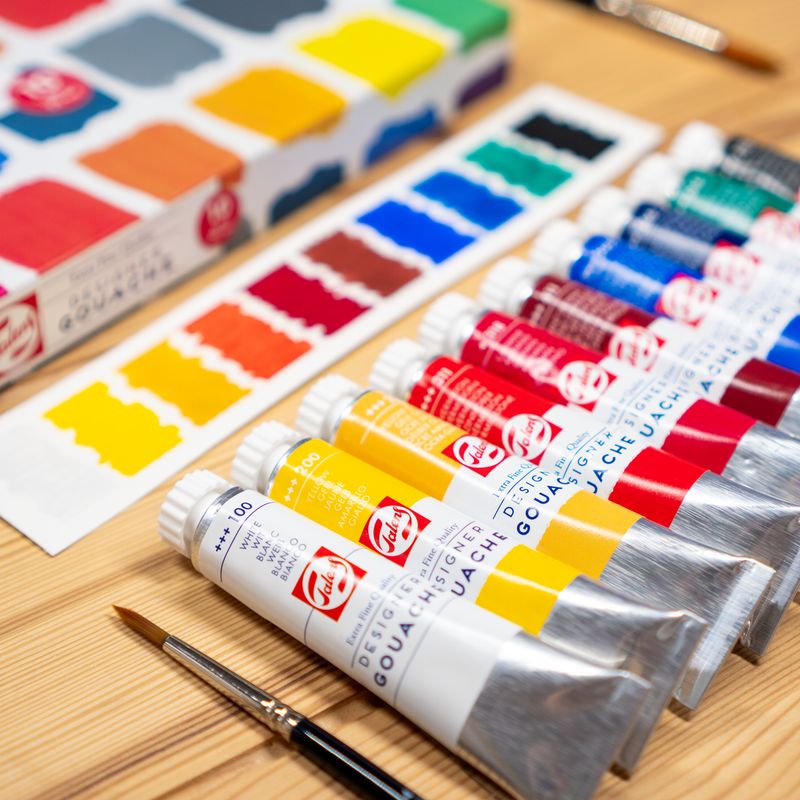
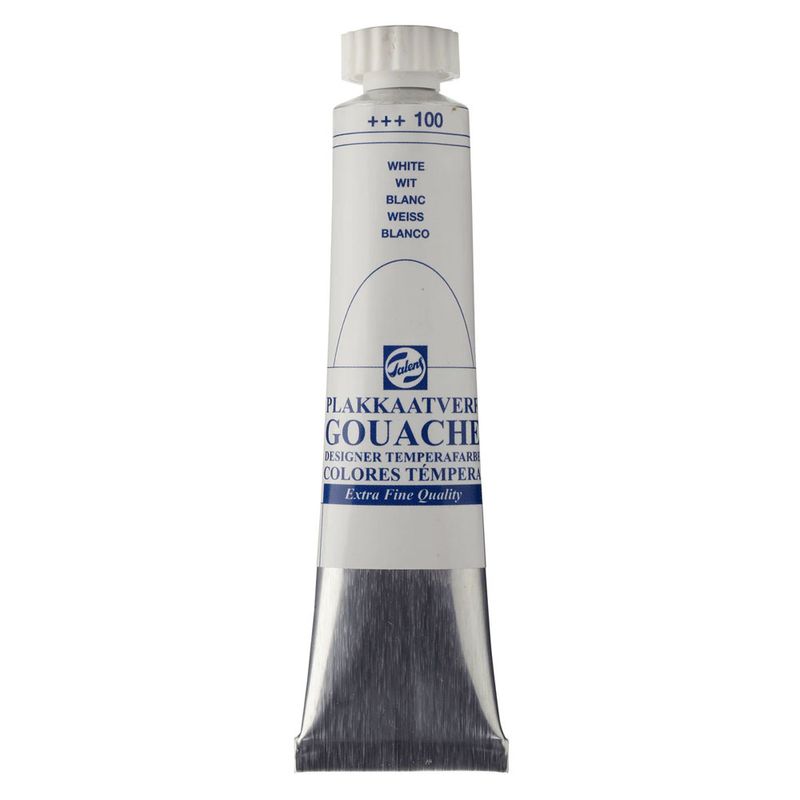
Talens Gouache Extra Fine Quality 20ml provides highly pigmented, matt colour and can be diluted with water for lighter applications. Traditional gouache can also be reworked with water after it has dried.
This makes it particularly forgiving when you need to adjust a colour area or refine a previous layer.
Gouache vs Watercolour
Both paints use water, but they are approached differently.
Watercolour relies heavily on transparency. Light values are usually created by allowing the white paper to show through transparent layers.
Gouache offers much stronger coverage. Light colours can be painted over darker areas more easily, making it particularly useful for illustration, graphic work and flat colour.
If you prefer transparent washes and luminous layering, browse watercolour paints or read the Watercolour Buying Guide.
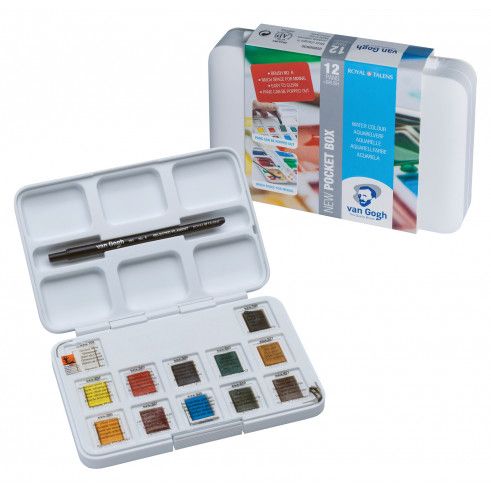
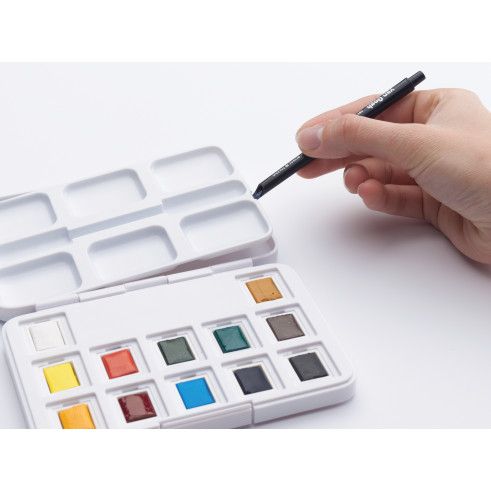
The Van Gogh Watercolour Pocket Box 12 Half Pans is a practical option when you specifically want transparent watercolour and a portable painting set.
Gouache vs Acrylic
The most important difference becomes clear once the paint has dried.
Traditional gouache remains water-reactive, so a wet brush can affect an earlier layer.
Acrylic behaves differently. It can be diluted with water while wet, but once dry it forms a permanent paint film. This makes acrylic particularly useful for layering and for painting on a wider range of surfaces.
Browse acrylic paints if you work on canvas, wood or mixed-media projects.
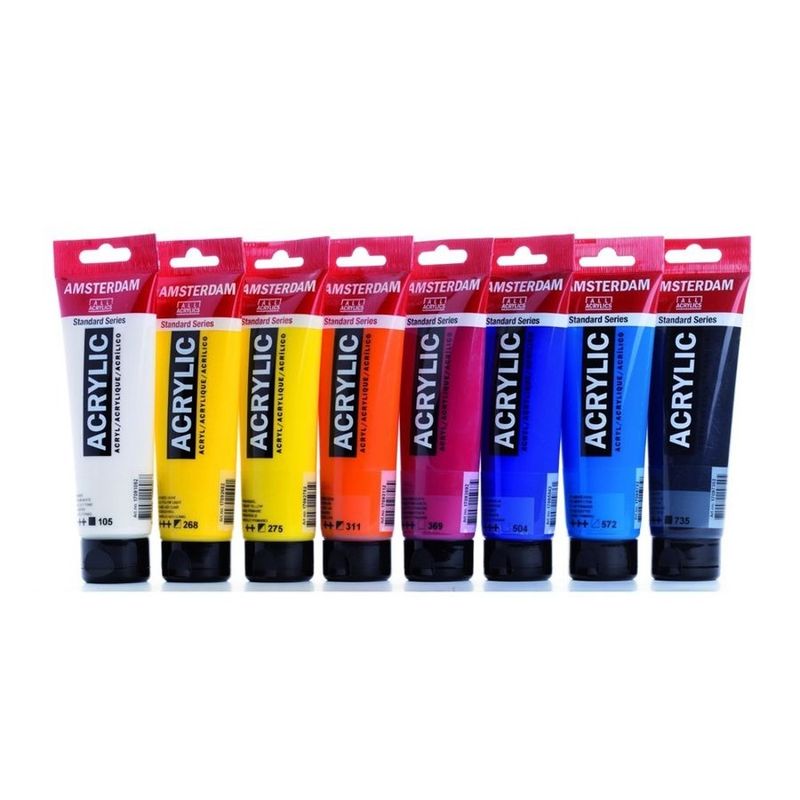
Amsterdam Acrylic Standard Series 20ml is a fast-drying acrylic range suitable for a broad selection of painting surfaces.
Which Paper Should You Use for Gouache?
Gouache performs best on paper that can tolerate moisture.
For controlled painting with limited water, good mixed-media or heavier art paper can work well. When you use wetter washes, watercolour paper provides greater stability.
Browse drawing and art papers and painting pads and sketchbooks.
Very lightweight paper may buckle as moisture is added, so choose a heavier surface when your technique uses more water.
Which Brushes Work Best?
You do not need a large brush collection.
A small round brush for detail, a medium round and a flat brush will cover most basic gouache techniques.
Synthetic brushes are a practical choice because they offer good control and are easy to clean while the paint is still wet.
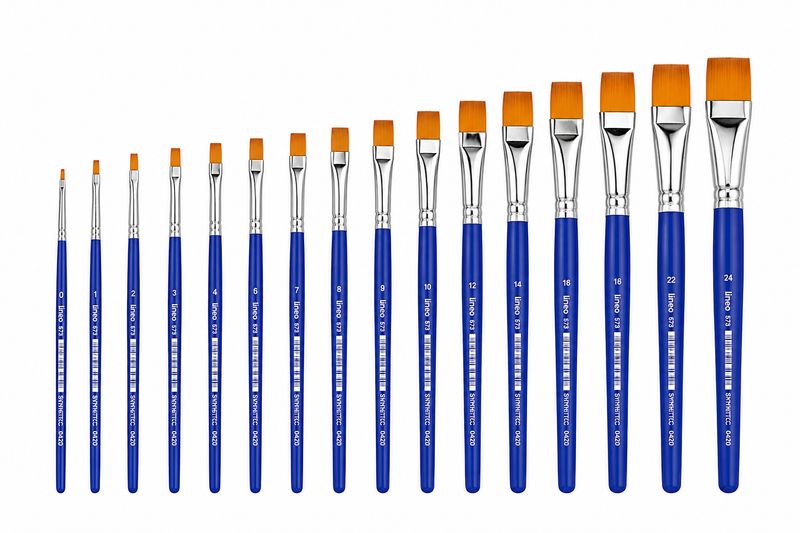
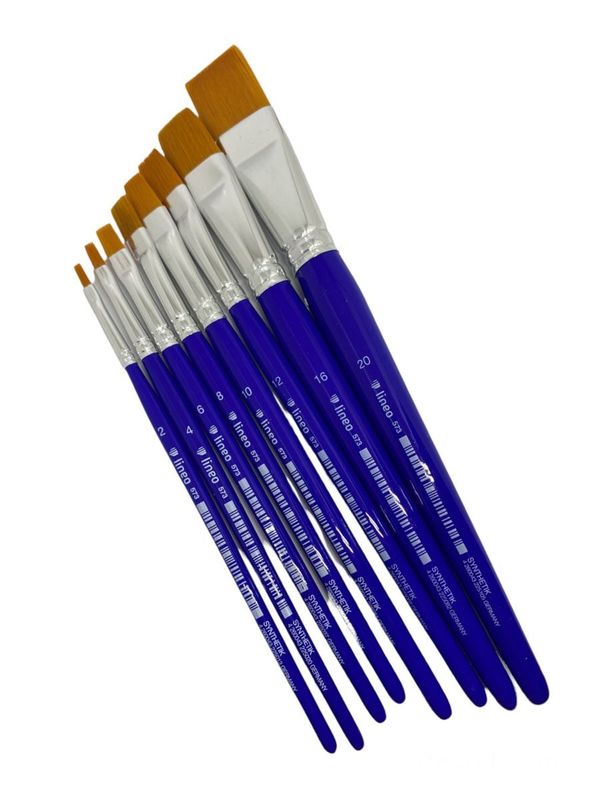
The Lineo 573 Flat Synthetic Brush works well for flat colour areas and controlled edges.
You can also browse the full range of painting brushes.
Common Gouache Mistakes
Using too much water: the paint becomes increasingly transparent and starts to lose the opaque quality that makes gouache distinctive.
Applying unnecessarily heavy layers: controlled applications usually produce more predictable results.
Using paper that is too light: moisture can cause thin sheets to buckle.
What Do You Need to Start?
A simple gouache setup includes:
• a small selection of colours
• extra white
• two or three brushes
• paper suitable for wet media
• a palette
• clean water
Starting with fewer colours also helps you learn colour mixing rather than relying on a large ready-made palette.
Conclusion
Choose gouache when you want rich, matt and opaque colour for paper-based painting, illustration or sketchbook work.
Choose watercolour when transparency is central to your technique. Choose acrylic when you need permanent layers and greater flexibility across different surfaces.
Browse gouache and poster paints at Aristidou.gr and combine your colours with suitable paper and brushes.
Frequently Asked Questions
What is the main difference between gouache and watercolour?
Gouache is more opaque and matt, while traditional watercolour relies more heavily on transparency and the white of the paper.
Can gouache be reactivated after it dries?
Traditional gouache can generally be reactivated with water, so care is needed when painting wet layers over previously dried colour.
Can gouache be used on canvas?
Traditional gouache is generally more practical on suitable art or watercolour paper. Acrylic is often a better choice for standard canvas painting.
Which brushes do I need for gouache?
A small and medium round brush plus a flat synthetic brush will cover most basic gouache techniques.