How to Choose Acrylic Paints: A Practical Buying Guide
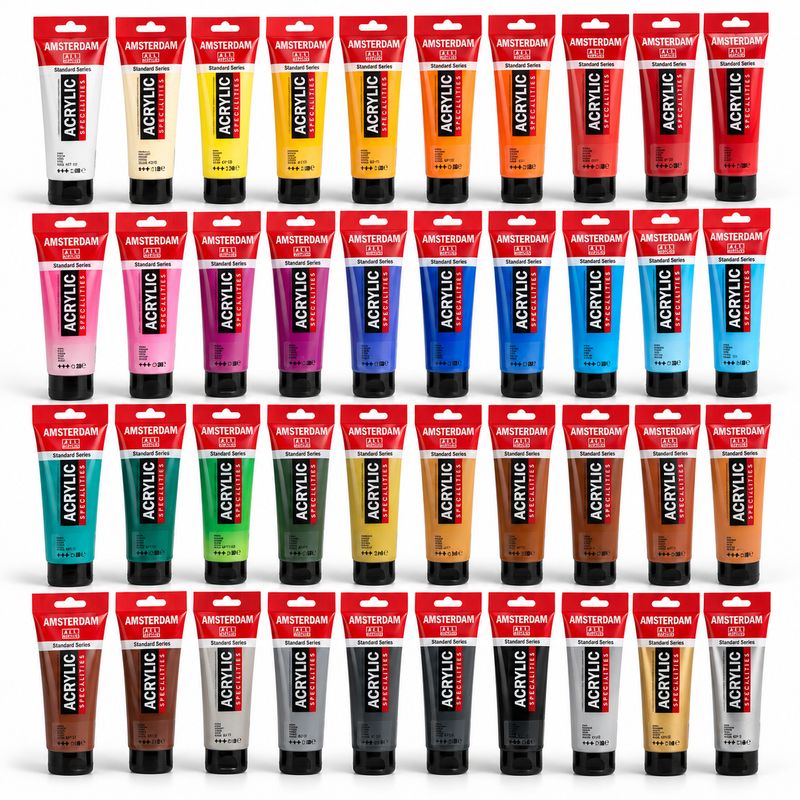
Acrylic paint is one of the most versatile painting mediums available. It dries quickly, mixes easily and can be used on canvas, paper, wood, board, plaster and a wide range of craft surfaces. However, the number of colours, consistencies, quality levels and pack sizes can make choosing the right acrylic paint confusing, especially for beginners.
The best choice depends on your experience, preferred painting technique, working surface and the type of finish you want to achieve.
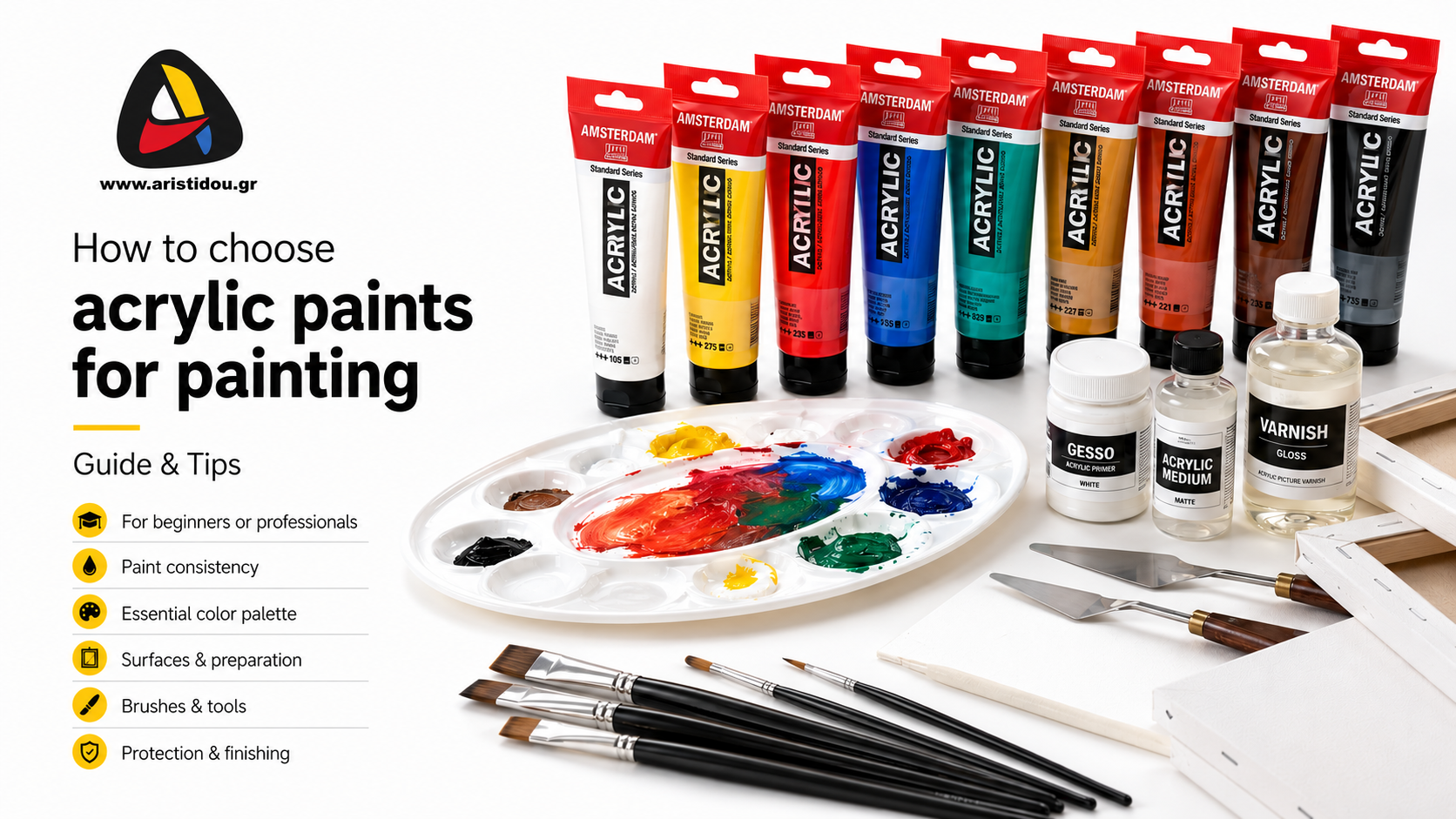 Student-grade or artist-grade acrylics?
Acrylic paints are generally divided into two main quality levels: student grade and artist grade.
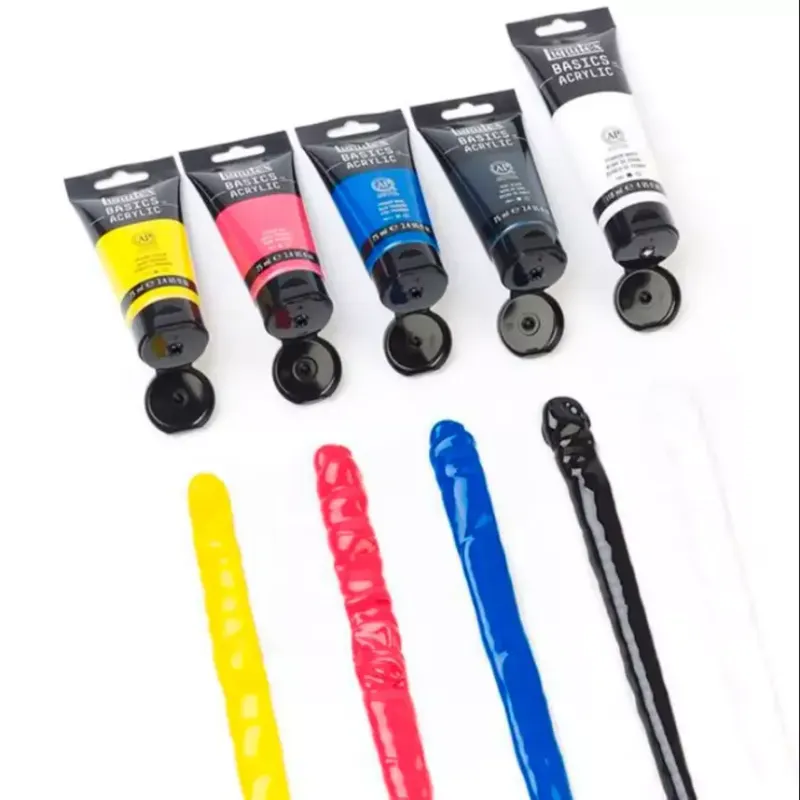
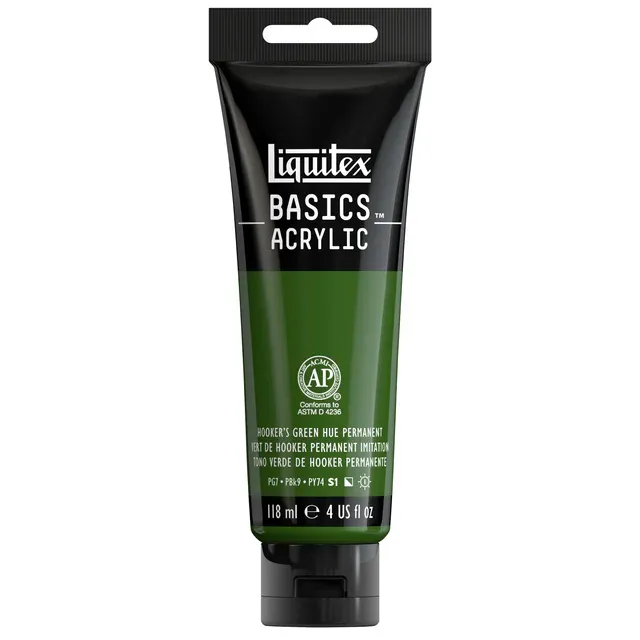
Student-grade acrylics are designed for beginners, students, hobby painters and anyone who needs reliable colour at an accessible price. They usually offer good coverage, easy handling and a balanced consistency. They are particularly suitable for practice, workshops, large paintings and frequent use.
Artist-grade acrylics normally contain a higher concentration of pigment. This produces richer colour, cleaner mixtures and improved lightfastness. They are the better choice for professional work, exhibition pieces and paintings intended for sale or long-term display.
Expert tip: Beginners do not need a large collection of colours. A carefully selected set of primary and earth colours is far more useful for learning colour mixing and building a versatile palette.
Which acrylic consistency should you choose?
The consistency of acrylic paint affects both application and texture.
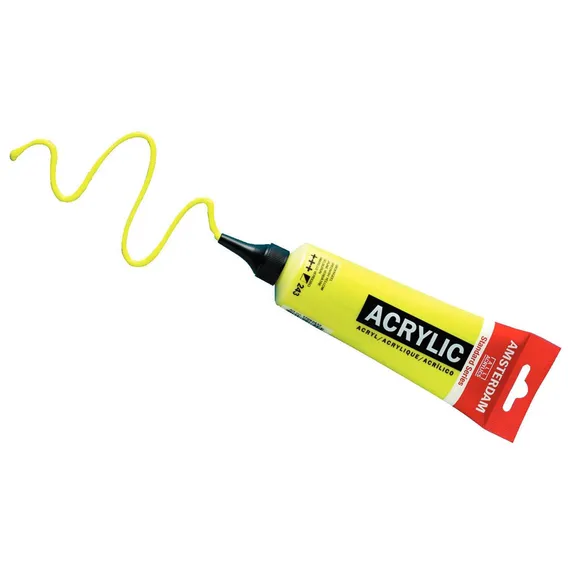
Medium-body acrylics spread smoothly and are suitable for most general painting techniques. Heavy-body acrylics have a thicker consistency and retain visible brush or palette-knife marks, making them ideal for textured painting and impasto work.
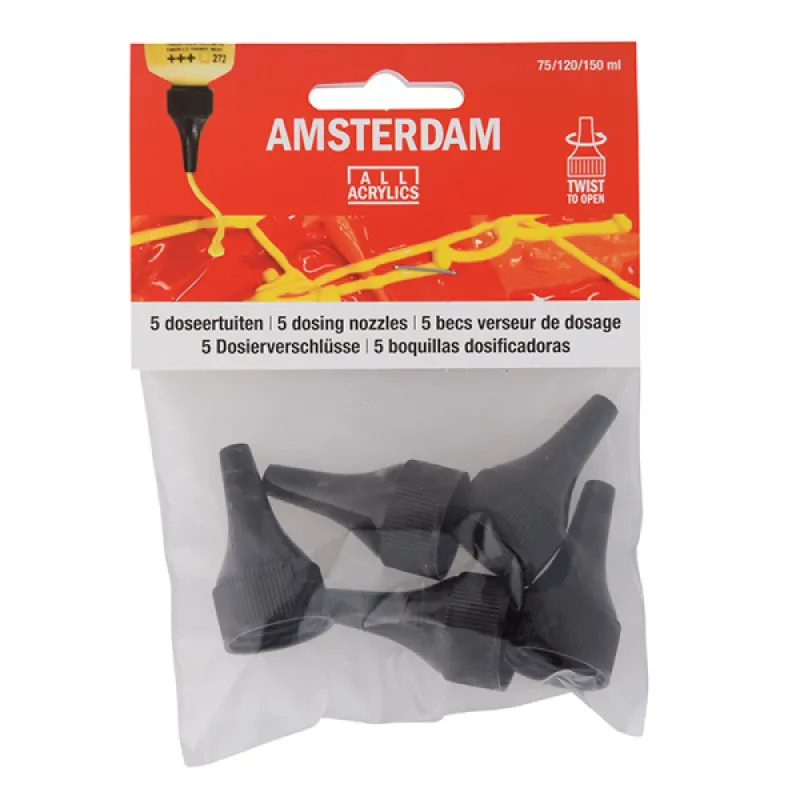
Fluid acrylics are designed for thin layers, detailed painting, pouring and techniques that require a smoother flow. When you need to change the consistency of the paint, an acrylic medium is usually a better option than adding excessive amounts of water, as it helps maintain the paint film’s strength and adhesion.
Which colours do you need to get started?
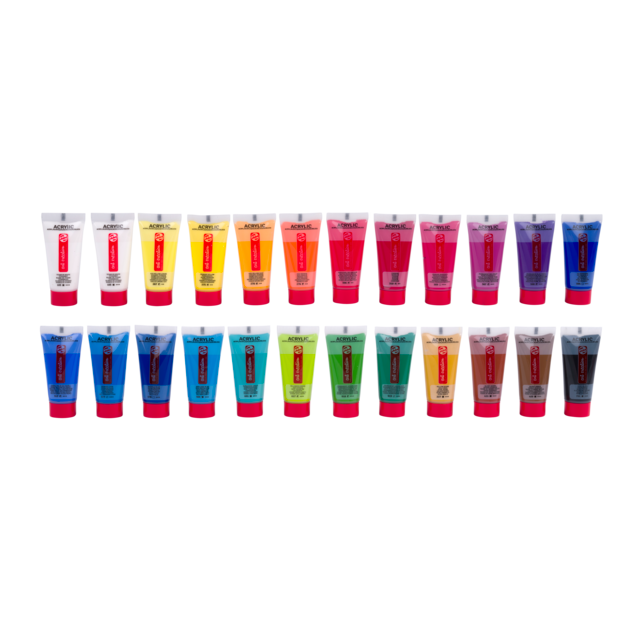
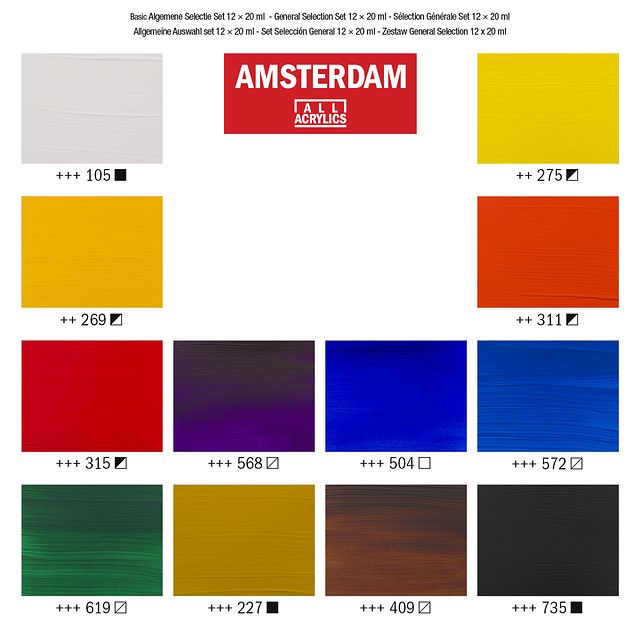
A practical starter palette may include:
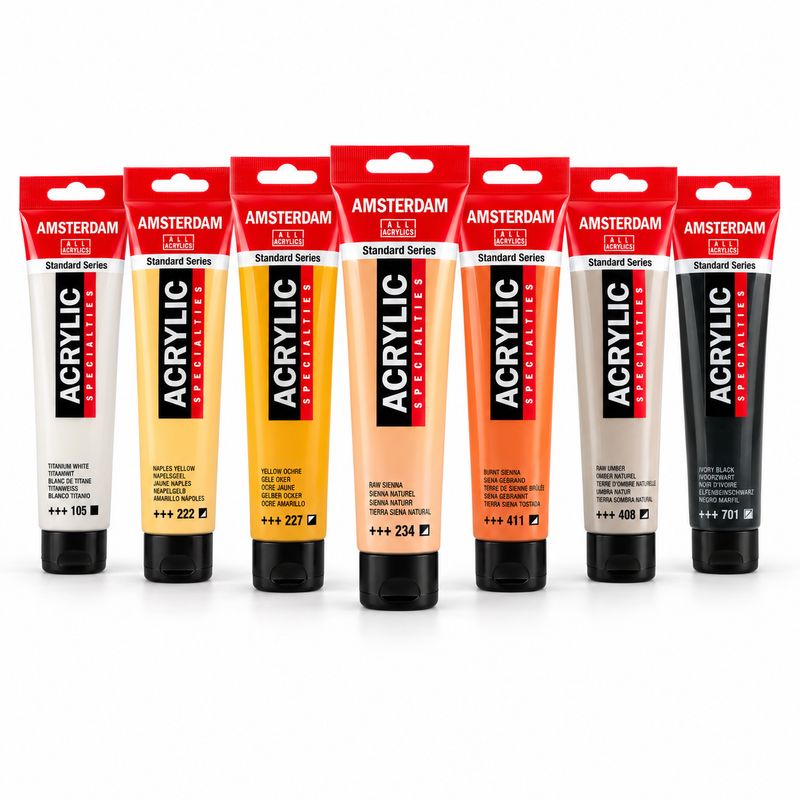
- Titanium White
- Black
- Primary or Cadmium Yellow
- A warm and a cool red
- A warm and a cool blue
- Yellow Ochre
- Burnt Sienna
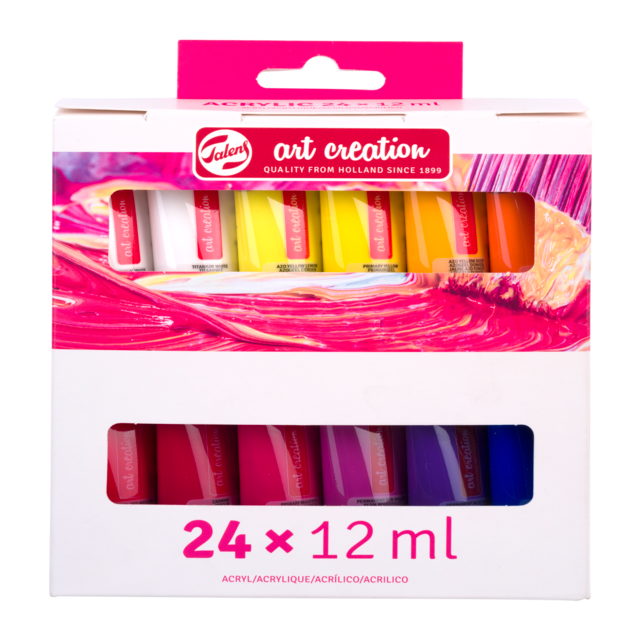
These colours allow you to mix greens, oranges, violets, natural skin tones, muted shades and a wide range of neutrals. White is often used more quickly than other colours, so purchasing it in a larger tube or jar is usually more economical.
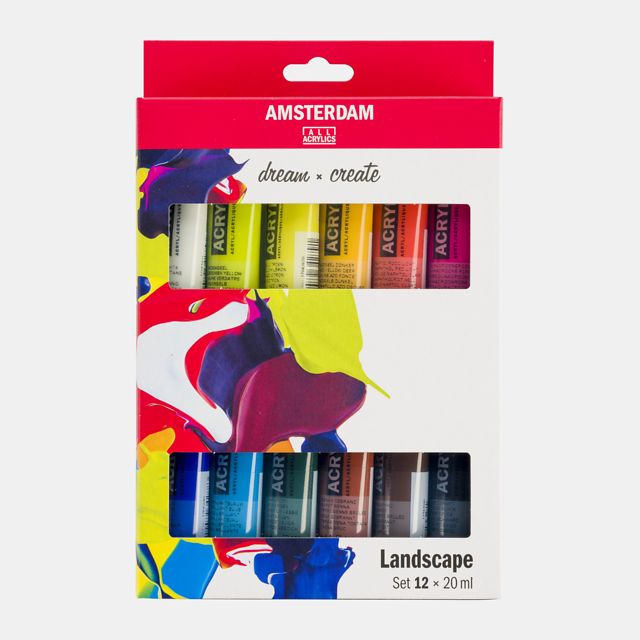
At Aristidou.gr, you can explore individual acrylic colours and complete acrylic paint sets, making it easier to select the right option for your budget, experience and creative goals.
Which painting surface should you use?
Canvas is the most common surface for acrylic painting, but it is not the only choice. Acrylics can also be used on acrylic paper, wood, MDF, cardboard and many prepared craft surfaces.
On untreated or highly absorbent materials, applying gesso creates a more even surface, reduces paint absorption and helps colours appear brighter. It can also improve adhesion and make the painting process more controlled.
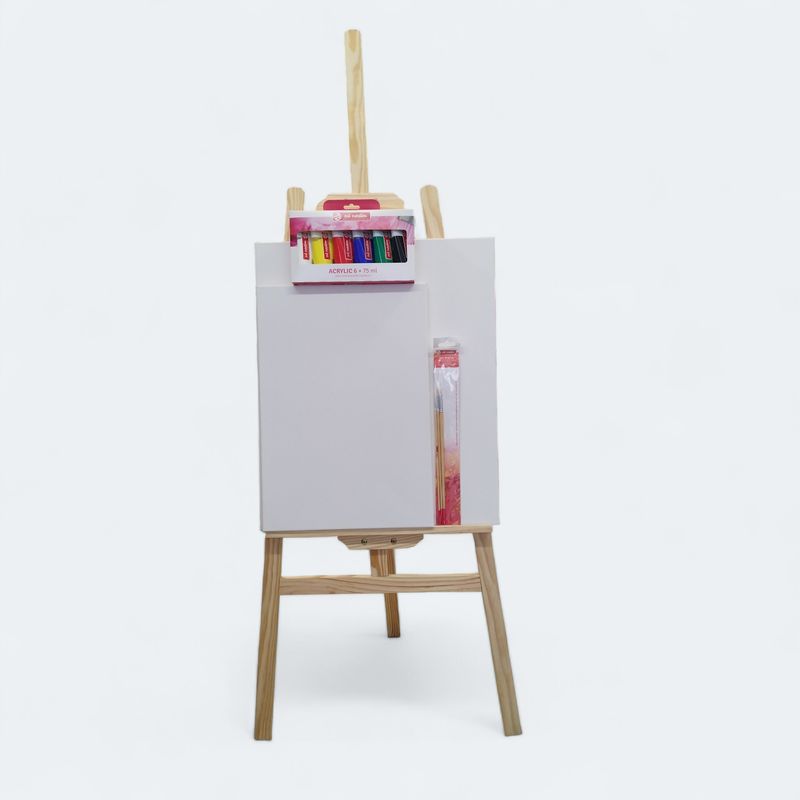
For a complete acrylic painting setup, combine your paints with:
- synthetic brushes in several sizes,
- stretched canvas or acrylic painting paper,
- a mixing palette,
- a water container,
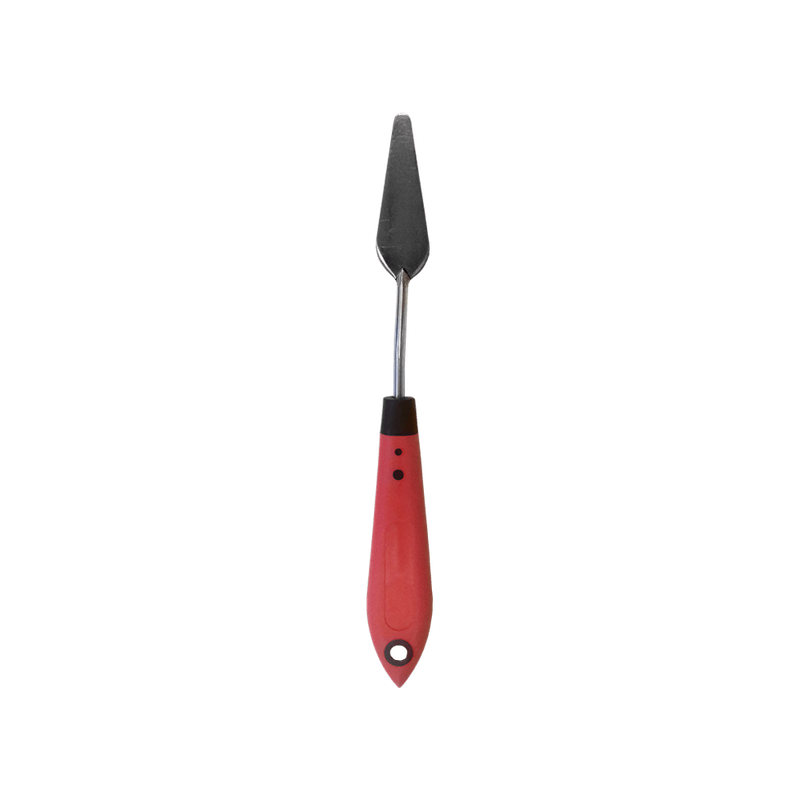
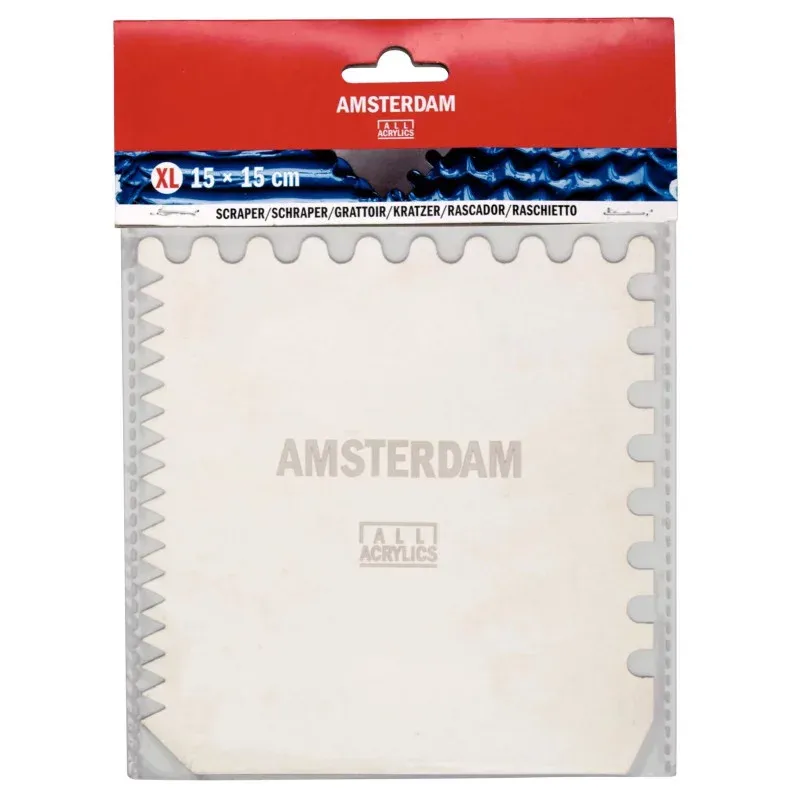
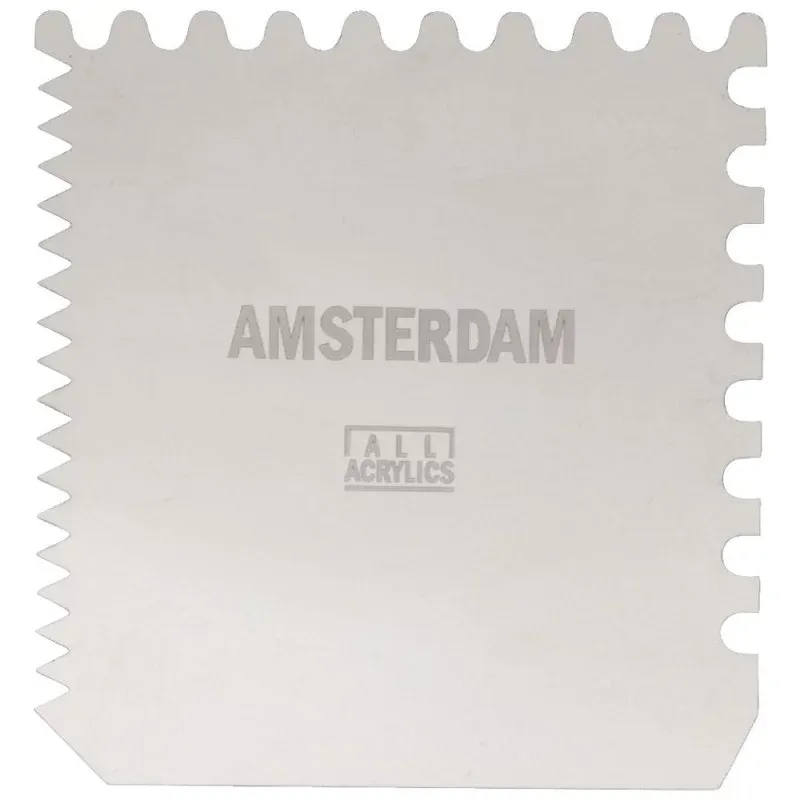
- palette knives,
- gesso primer,
- acrylic mediums,
- a suitable protective varnish.
Which brushes are best for acrylic paint?
Synthetic brushes are generally the most practical choice for acrylic painting. They hold their shape well, are easy to clean and tolerate repeated washing better than many delicate natural-hair brushes.
Use:
- flat brushes for backgrounds and broad areas,
- round brushes for general painting,
- fine detail brushes for precise lines,
- palette knives for textured applications and impasto effects.
Never allow acrylic paint to dry in the bristles. Clean brushes immediately after use with water and mild soap, reshape the bristles and leave them to dry horizontally or with the brush head facing upwards.
Common mistakes when buying acrylic paints
One common mistake is buying too many similar colours before creating a useful basic palette. A smaller selection of well-chosen colours is usually more versatile and cost-effective.
Another mistake is judging a paint only by the colour shown on the packaging. Check its opacity, lightfastness and quality level. Some pigments are naturally transparent and may require several layers, while others provide strong coverage with a single application.
Over-thinning acrylic paint with water is also a frequent problem. A small amount of water is normally sufficient for basic dilution. For glazing, pouring or more fluid applications, use a suitable acrylic medium.
Which acrylic paint is right for you?
Choose student-grade acrylics when you want affordable paint for practice, classes, frequent use or large projects. Select artist-grade acrylics when colour strength, pigment quality, clean mixing and long-term durability are priorities.
For mixed-media work, crafts and decorative projects, consider the surface, the flexibility of the finished paint film and the desired level of gloss. Paintings that need additional protection from dust, handling and environmental exposure can be finished with a compatible acrylic varnish.
Explore acrylic paints, brushes, canvases, palettes, mediums and essential painting accessories at Aristidou.gr, and build a complete painting set that suits your technique and level of experience.
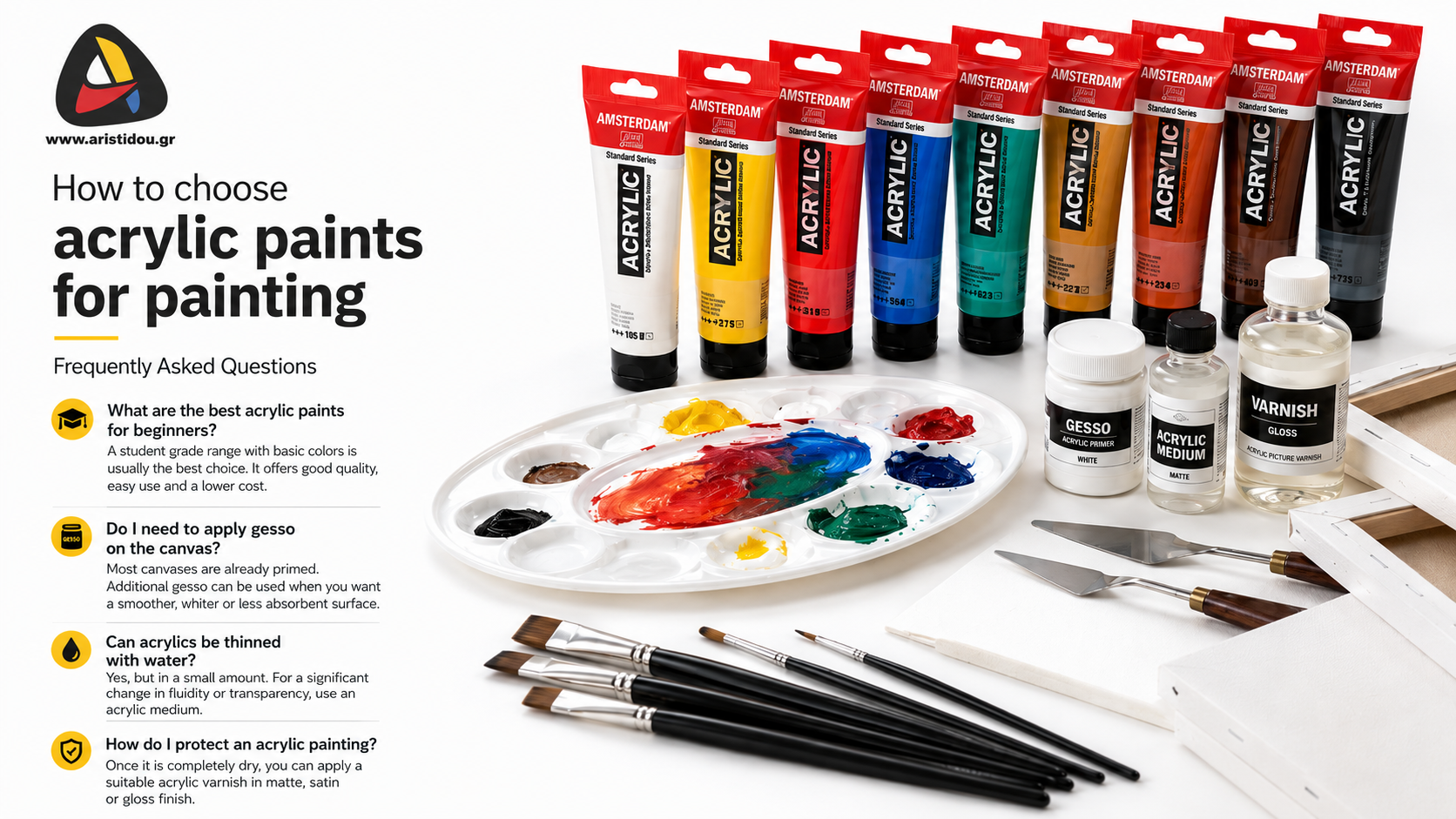 Frequently Asked Questions
What are the best acrylic paints for beginners?
A reliable student-grade range with a selection of basic colours is usually the best starting point. It offers good performance, easier handling and better value for regular practice.
Do I need to apply gesso to a canvas?
Most ready-made canvases are already primed. Additional gesso can be applied when you want a smoother, brighter or less absorbent painting surface.
Can acrylic paint be diluted with water?
Yes, but only in moderate amounts. For significant changes in flow, transparency or texture, use an acrylic medium designed for that purpose.
How do you protect an acrylic painting?
Once the painting has dried completely, apply a compatible acrylic varnish. Depending on the desired appearance, you can choose a matte, satin or gloss finish.