Paper is not simply the surface beneath your artwork. It directly affects how a pencil moves, how charcoal grips the page, how ink lines behave, how markers blend and how watercolour washes spread and dry.
The wrong paper may buckle, tear, bleed through or absorb colour too quickly. It can also make fine lines appear uneven and prevent dry media from building up properly. The right paper, on the other hand, helps your materials perform as intended and gives you greater control over the finished result.
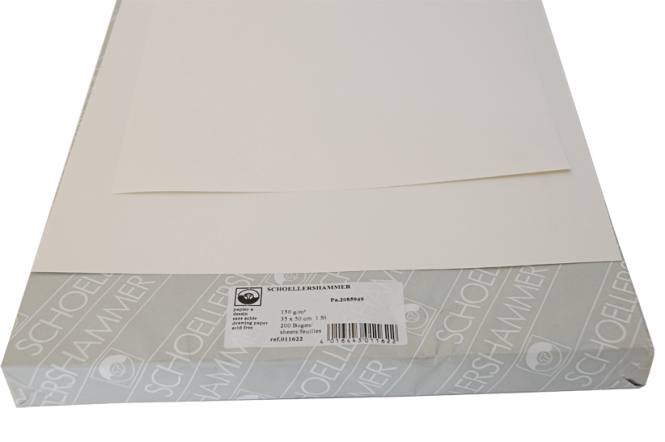
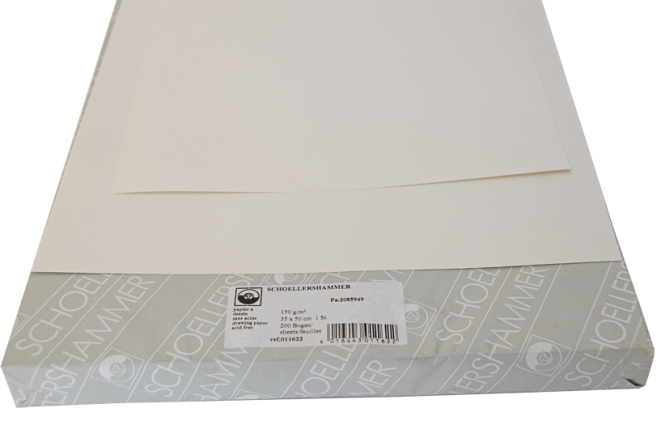
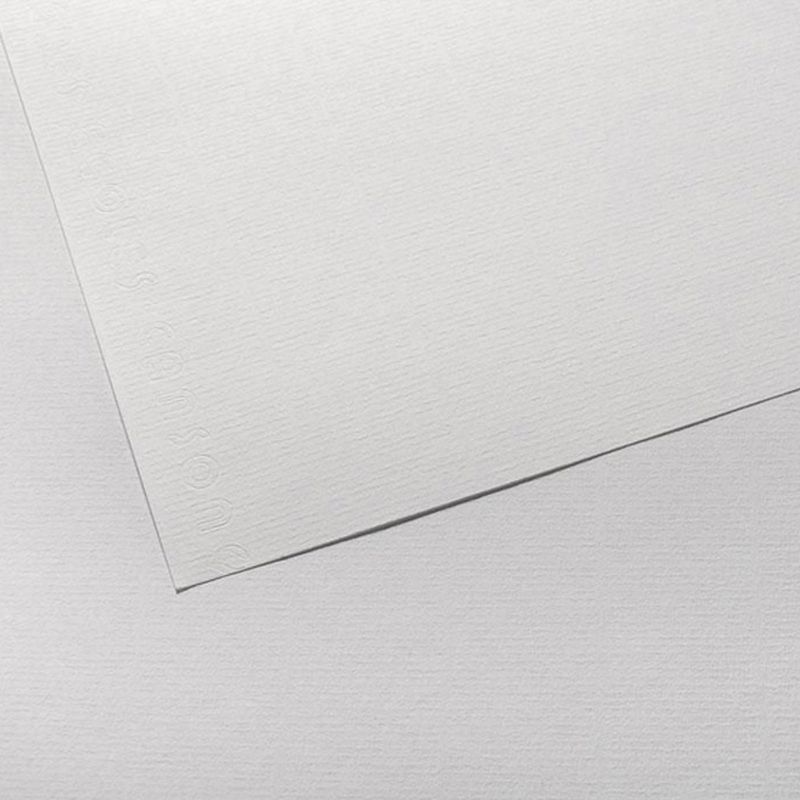
This guide explains how to choose art and drawing paper according to your medium, paper weight, texture, composition and preferred format. It covers graphite, charcoal, pastel, ink, markers, watercolour, gouache, acrylics and mixed media, helping you select a sketchbook or art pad that genuinely suits the way you work.
 Which Art Paper Do You Need? The Quick Guide
Start with the medium you plan to use:
- For pencil and graphite, choose smooth or lightly textured drawing paper.
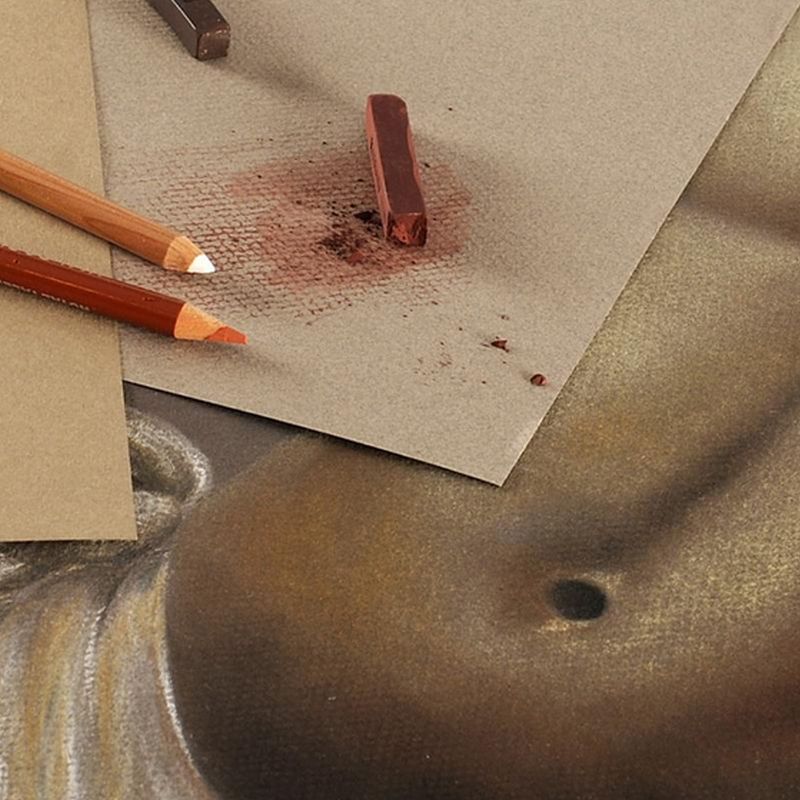
- For charcoal and pastel, look for a surface with more tooth to hold the pigment.
- For fineliners and ink, select a relatively smooth paper that keeps lines crisp.
- For markers, choose according to the ink type rather than paper weight alone.
- For watercolour, use absorbent paper designed to tolerate water.
- For gouache, acrylics and mixed media, choose a heavier and more durable surface.
- For oil paint, use only paper specifically prepared for oils.
Expert tip: Heavier paper is not automatically better. Texture, fibre content, sizing and surface treatment are just as important as gsm.
What Does Paper Weight Mean?
Paper weight is usually expressed in gsm, or grams per square metre.
As the gsm increases, the paper generally becomes heavier, more stable and more resistant to handling. However, two papers with the same gsm may still behave very differently depending on their composition and intended use.
80-120 gsm Paper
This range is mainly suitable for:
- quick sketches,
- daily practice,
- notes and preliminary studies,
- pencil and graphite,
- light fineliner work.
It is an economical option when you need plenty of sheets for practice. It is not usually designed for heavy erasing, repeated ink applications or wet techniques.
120-180 gsm Paper
This is a versatile range for:
- graphite,
- coloured pencils,
- charcoal,
- pastel,
- fineliners,
- light ink work,
- selected markers.
A sketchbook of approximately 140 gsm can be a practical choice for daily drawing, illustration and urban sketching.
180-250 gsm Paper
Depending on the surface and manufacturing process, this weight may be suitable for:
- ink,
- gouache,
- light watercolour washes,
- water-based markers,
- mixed media,
- thin acrylic layers.
Always check which media are recommended by the manufacturer before buying.
300 gsm Paper and Above
Heavier paper is commonly chosen for:
- watercolour,
- wet-on-wet techniques,
- repeated washes,
- gouache,
- acrylic painting,
- mixed-media projects,
- layered artwork.
A heavier sheet usually resists buckling more effectively, although its performance will also depend on fibre content, sizing and the amount of water used.
How to Choose Paper for Pencil and Graphite
Paper for graphite should allow clean lines, smooth shading and controlled erasing.
Lightly Textured Drawing Paper
The surface is particularly useful for:
- detailed portrait drawing,
- technical drawing,
- architectural work,
- mechanical pencils,
- clean outlines,
- realistic tonal transitions.
Because the grain is less pronounced, graphite moves more evenly across the page and fine details remain clear.
A subtle texture provides more grip and is suitable for:
- freehand drawing,
- stronger tonal work,
- expressive sketching,
- coloured pencils,
- combined graphite and charcoal techniques.
For a more complete drawing set, pair your paper with pencils in several grades, a suitable eraser, sharpener, kneaded eraser and blending tools.
Explore the available drawing papers for pencil and charcoal and choose the weight and texture that best suit your style.
Which Paper Is Best for Charcoal and Pastel?
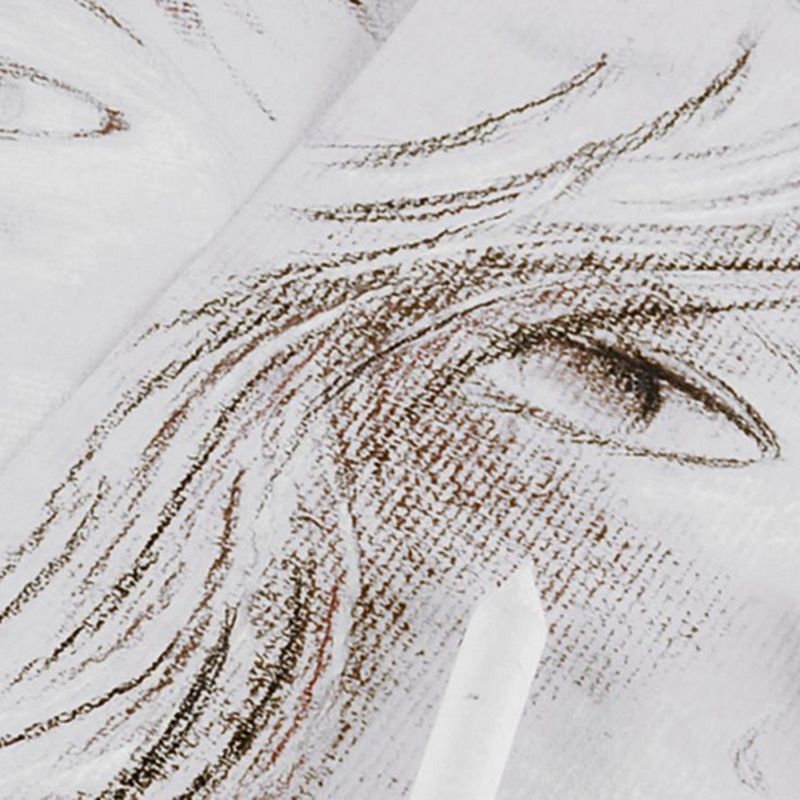
Charcoal and pastel need paper with enough tooth to hold loose pigment.
A moderately or strongly textured surface helps with:
- building deeper values,
- layering pigment,
- improving material adhesion,
- producing expressive marks,
- retaining visible texture.
Very smooth paper may not hold enough charcoal or pastel, making it harder to create rich, layered tones.
For a complete setup, consider adding:
- charcoal sticks in different grades,
- charcoal pencils,
- soft or oil pastels,
- kneaded erasers,
- blending tools,
- a suitable fixative where required.
Paper for Fineliners, Drawing Pens and Ink
Fineliners and ink usually perform best on a relatively smooth, well-controlled surface.
Suitable paper helps:
- keep fine lines crisp,
- reduce feathering,
- prevent uncontrolled ink spread,
- preserve small details,
- allow the pen nib to move smoothly.
For technical pens, rapidographs and highly detailed illustration, choose paper specifically described as suitable for ink or technical drawing.
Buying tip: Test your pen on the final page of the pad before starting an important piece. Two inks with different formulations may behave differently on the same paper.
How to Choose Paper for Art Markers
There is no single paper that works perfectly with every marker. The correct choice depends on whether the ink is water-based, alcohol-based or another formulation.
Water-Based Markers and Brush Pens
These usually perform better on paper that:
- has a relatively smooth surface,
- does not absorb the colour immediately,
- allows light blending,
- resists damage from moisture.
When you plan to activate the colour with water and a brush, mixed-media or watercolour paper may be more suitable.
Alcohol Markers
Alcohol markers usually give better results on dedicated marker paper.
Specialist marker paper may be relatively lightweight, but its surface is designed to support:
- smoother blending,
- more controlled absorption,
- reduced ink consumption,
- cleaner colour application.
A high gsm does not guarantee that paper is suitable for alcohol markers.
Always place a protective sheet underneath the page, as the ink may bleed through.
For more detailed guidance, read the Markers for Every Surface Buying Guide.
How to Choose Watercolour Paper
In watercolour painting, the paper is an active part of the technique. It affects absorption, drying time, edge control and the way washes move across the surface.
Watercolour Paper Canson Type
Cellulose paper is a practical option for:
- beginners,
- daily practice,
- colour testing,
- classroom use,
- basic watercolour techniques.
It is generally more affordable and allows regular practice without a high cost per sheet.
Cotton Watercolour Paper
Paper with a high cotton content is commonly selected for:
- repeated washes,
- glazing,
- wet-on-wet painting,
- lifting colour,
- work requiring greater water control.
Cotton paper is not essential for every beginner. It becomes a worthwhile upgrade when a basic paper begins to restrict the technique.
Hot-Pressed, Cold-Pressed or Rough?
Hot-Pressed Paper
Hot-pressed paper has a smoother surface and is suitable for:
- botanical illustration,
- detailed portraits,
- line-and-wash work,
- clean edges,
- fineliner and watercolour combinations.
Cold-Pressed Paper
Cold-pressed paper has a moderately textured surface and is one of the most versatile options.
It works well for:
- landscapes,
- portraits,
- everyday watercolour painting,
- layering,
- wet-on-wet techniques,
- urban sketching.
Rough Paper
Rough paper has a more pronounced texture and enhances:
- dry-brush effects,
- granulation,
- atmospheric landscapes,
- expressive brushwork,
- visible surface texture.
For a complete watercolour setup, combine your pad with watercolour paints, suitable brushes, a palette, water containers and masking tape.
Explore the available watercolour pads and compare their weight, surface, format and composition.
Paper for Gouache, Acrylics and Mixed Media
Wet and mixed-media techniques require a more durable surface than standard sketching paper.
Paper for Gouache
Gouache can be used on watercolour or mixed-media paper.
For many applications, paper in the 200–300 gsm range provides a practical balance between stability and absorbency, depending on how much water is used.
Paper for Acrylic Paint
For acrylics, choose:
- dedicated acrylic paper,
- heavyweight mixed-media paper,
- rigid artboard,
- a surface designed to tolerate paint layers and moisture.
A strong mixed-media paper may be suitable for thin or diluted acrylic layers. Heavy-body paint, modelling paste and palette-knife techniques require a more robust surface.
Mixed-Media Paper
Mixed-media paper is useful when combining:
- graphite and acrylic,
- ink and watercolour,
- collage and paint,
- markers and gouache,
- pastel and wet layers.
For collage and craft projects, consider adding compatible adhesives, precision cutters, rulers and a cutting mat.
Explore the available acrylic, oil and mixed-media pads for surfaces designed for more demanding techniques.
A Note on Oil Paint
Oil paint should not be applied directly to ordinary drawing paper.
Use:
- dedicated oil paper,
- properly prepared paper for oil painting,
- a surface clearly described as suitable for oils.
What Does Acid-Free Paper Mean?
The term acid-free refers to the paper’s composition and long-term stability.
For quick studies and temporary exercises, premium archival paper may not always be necessary.
For work intended for:
- framing,
- portfolios,
- exhibitions,
- sale,
- long-term storage,
acid-free paper is a more appropriate choice.
The longevity of an artwork also depends on the paints, inks, adhesives, light exposure and storage conditions.
White, Cream, Toned or Black Paper?
White Paper
White paper provides strong contrast and a neutral base for most media. It is the most versatile option for general use.
Cream Paper
Cream paper creates a softer, more natural appearance. It is particularly pleasant for graphite, ink and everyday sketching.
Toned Paper
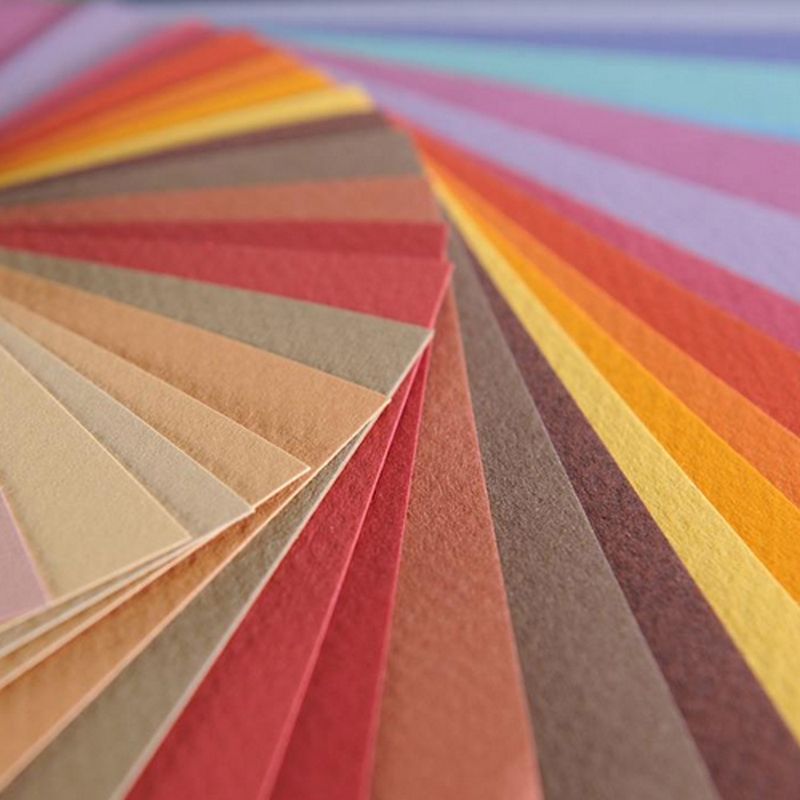
Grey or tan paper acts as a ready-made middle value.
It is useful for:
- portraits,
- figure drawing,
- white pencil,
- charcoal,
- pastel,
- compositions built with both highlights and shadows.
Black Paper
Black paper is suitable for:
- white pencils,
- metallic pencils,
- opaque markers,
- gouache,
- pastel,
- high-contrast illustration.
Which Art Pad Size Should You Choose?
A5 and Smaller
These formats are ideal for:
- daily sketching,
- travel,
- urban sketching,
- visual notes,
- small studies.
A4
A4 is one of the most practical general-purpose sizes for:
- classes,
- home use,
- illustration,
- watercolour,
- mixed media,
- finished studies.
A3 and Larger
Larger formats are useful for:
- academic drawing,
- large compositions,
- portrait work,
- architectural projects,
- art-school assignments,
- drawing with broader arm movements.
Expert tip: Do not automatically choose the largest pad. A portable A5 sketchbook may be used far more often than a large A3 pad that remains at home.
Bound Sketchbook, Spiral Pad or Glued Pad?
Bound Sketchbook
A bound sketchbook is practical for:
- visual journalling,
- daily practice,
- urban sketching,
- recording progress,
- carrying in a bag.
Spiral Pad
A spiral pad opens easily and allows pages to fold back.
It is useful for:
- classes,
- working in limited space,
- quick exercises,
- frequent everyday use.
Glued Pad
Glued pads make it easy to remove sheets for:
- framing,
- presentation,
- portfolio work,
- submitting assignments.
Watercolour Block Glued on Four Sides
This format is often used for watercolour because it helps keep the sheet stable while wet.
Once the painting is completely dry, the sheet is carefully removed from the block.
Common Mistakes When Buying Art Paper
Choosing Paper by GSM Alone
Weight is only one factor. Check the surface, fibre content, absorbency and intended medium.
Using Thin Sketching Paper for Watercolour
Standard drawing paper may buckle, tear or absorb water unevenly.
Choosing a Rough Surface for Fine Detail
A strongly textured surface can interrupt fineliner strokes and make realistic pencil detail more difficult.
Assuming Every Smooth Paper Is Marker Paper
Dedicated marker paper may have a different surface treatment from standard smooth drawing paper.
Choosing the Wrong Size
A very small pad can restrict a large composition. An oversized pad may be inconvenient for everyday use.
Expecting One Paper to Handle Every Medium
Mixed-media paper is versatile, but it does not always replace specialist watercolour, marker or oil paper.
Practical Recommendations by Artist Type
For a Drawing Beginner
A practical starting set includes:
- an A4 sketchbook of approximately 120–160 gsm,
- pencils in several grades,
- an eraser,
- a sharpener,
- a kneaded eraser.
For an Art Student
A useful paper selection often includes:
- affordable paper for exercises,
- larger sheets for academic drawing,
- a sketchbook for daily practice,
- a specialist pad for wet techniques.
For Watercolour Painting
A cold-pressed pad of approximately 200–300 gsm is a versatile starting point.
For repeated washes, glazing or very wet techniques, consider heavier paper or a cotton-rich surface.
For Illustration and Fineliners
Choose smooth paper that keeps lines crisp. When combining ink with markers or watercolour, check compatibility before purchasing.
For Mixed Media
A heavyweight mixed-media pad or artboard is a practical choice for combining dry and wet materials.
Art Paper Buying Checklist
Before adding a pad or sketchbook to your basket, check:
- Which media are recommended?
- What is the paper weight?
- Is the surface smooth, medium-textured or rough?
- Is the paper white, cream, toned or black?
- Is it made from cellulose or cotton?
- Is it acid-free?
- Is it suitable for wet media or only dry techniques?
- Which format do you need?
- Do you prefer a bound, spiral or glued pad?
- How many sheets are included?
These details are more useful than a general description such as “artist paper”.
Conclusion: Which Art and Drawing Paper Should You Buy?
Before choosing, answer five questions:
- Which medium will you use?
- How much water or ink will the paper receive?
- Do you need a smooth or textured surface?
- Do you want a portable sketchbook or removable sheets?
- Is the work for practice or long-term preservation?
Graphite needs reliable drawing paper. Charcoal and pastel benefit from more tooth. Watercolour requires an absorbent, stable surface, while acrylics and mixed-media techniques need greater strength.
At Aristidou.gr, you can compare drawing pads, sketchbooks, watercolour papers and mixed-media surfaces in different weights, sizes and textures.
Explore the collection and find the paper that truly supports your technique and the way you create.
Frequently Asked Questions
What paper weight is best for drawing?
It depends on the technique. Papers around 90–160 gsm are commonly used for graphite and dry drawing. Watercolour, acrylics and mixed media usually require a heavier surface.
Which paper is best for pencil and charcoal?
Choose smooth or lightly textured paper for pencil. Charcoal performs better on paper with more tooth, as the surface holds the pigment more effectively.
Can watercolour paper be used for acrylic paint?
Yes, provided that the paper is sufficiently heavy and durable. Heavy paint layers, texture pastes and palette-knife work are better suited to dedicated acrylic or heavyweight mixed-media paper.
Which paper is best for markers?
It depends on the ink. Alcohol markers usually require specialist marker paper, while water-based markers may work on suitable drawing, mixed-media or watercolour paper.
What is cold-pressed watercolour paper?
Cold-pressed paper has a moderately textured surface. It provides a versatile balance of absorbency, wash control and visible grain.
Is a spiral sketchbook better?
A spiral sketchbook opens easily and allows the pages to fold back. A bound sketchbook may be more durable for travel and better suited to visual journalling.