Buying Guide: How to Choose Watercolor Paints
Watercolor is one of the most rewarding and versatile painting mediums. Its transparent layers, luminous colors, and fluid blending techniques make it a favorite among beginners, hobbyists, illustrators, and professional artists alike.
However, choosing your first watercolor paints—or upgrading to a better set—can quickly become overwhelming. Should you buy watercolor pans or tubes? Is a student-grade set enough, or should you invest in artist-quality paints? How many colors do you actually need? And which pigments are truly essential?
The right choice depends on much more than your budget. Your experience level, painting style, portability requirements, and the quality you expect from your finished artwork all play an important role.
In this buying guide, you'll learn everything you need to know about choosing watercolor paints, helping you avoid unnecessary purchases and build a practical collection that will support your creativity for years to come.
 What Are Watercolor Paints?
Watercolor paints are made from finely ground pigments combined with a water-soluble binder. Unlike acrylics or oil paints, watercolor relies on transparency, layered washes, and the natural brightness of the paper to create depth and vibrant color.
Because the paper becomes part of the final image, choosing quality materials is especially important. The paper, brushes, and watercolor paints all work together to influence the final result.
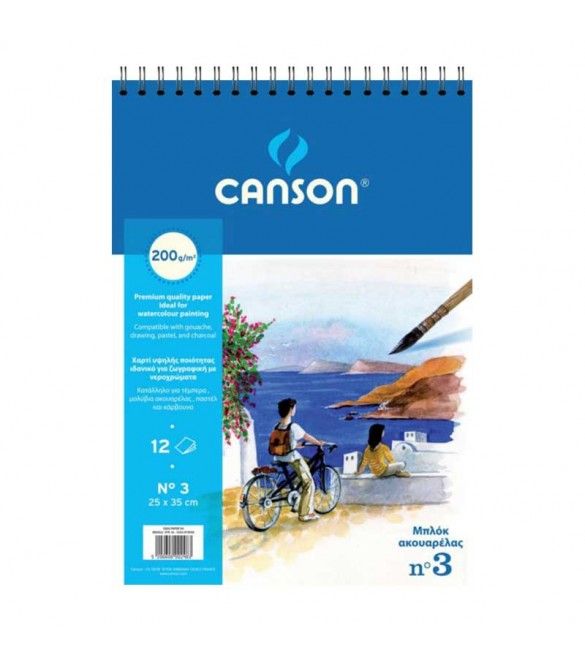
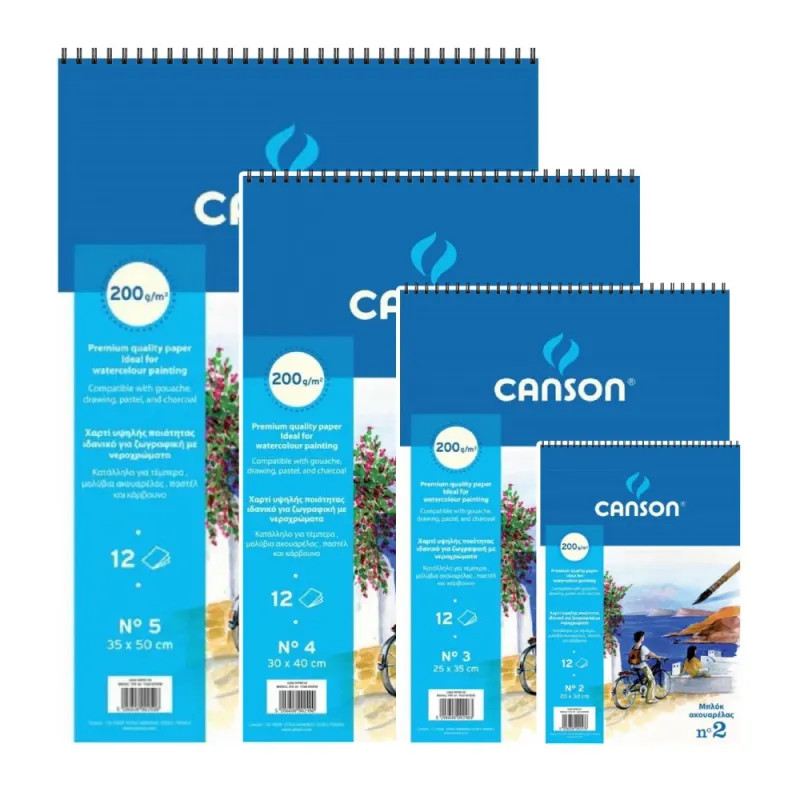
For the best painting experience, pair your watercolor paints with high-quality watercolor brushes and dedicated watercolor paper. Using the right materials makes painting more enjoyable and gives you greater control over techniques such as washes, glazing, and color blending—even if you're just getting started.
Why Choosing the Right Watercolors Matters
Not all watercolor paints perform the same way.
The quality of your paints affects:
- Color vibrancy
- Transparency
- Mixing performance
- Flow on the paper
- Lightfastness and long-term durability
- Overall ease of learning the medium
Many beginners assume they're struggling because they "lack artistic talent." In reality, low-quality materials often make watercolor techniques much harder to master.
Investing in better materials doesn't necessarily mean spending more money. It means buying products that match your needs and allow you to get the most out of your painting experience.
Watercolor Pans vs. Watercolor Tubes
One of the first decisions you'll need to make is whether to choose watercolor pans or tubes.
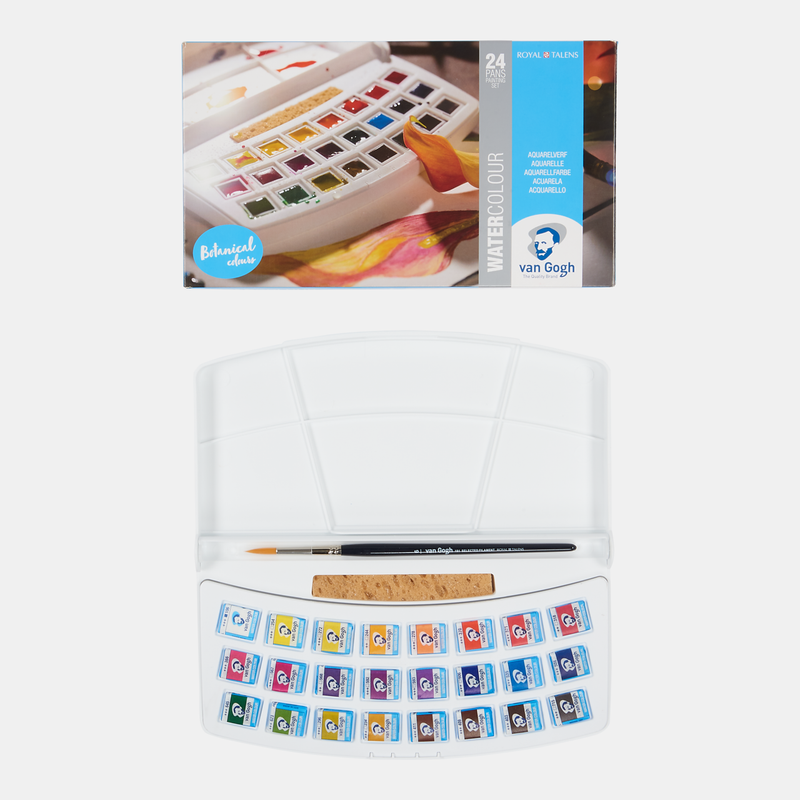
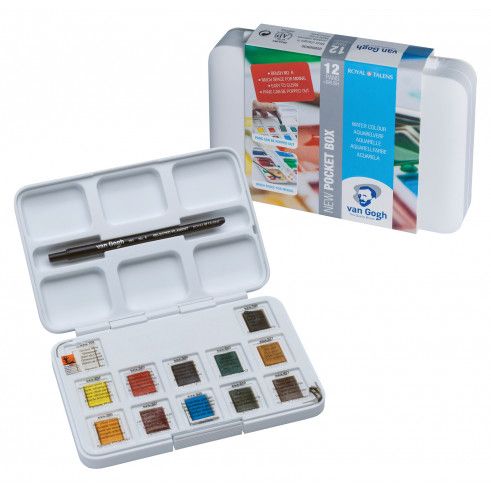
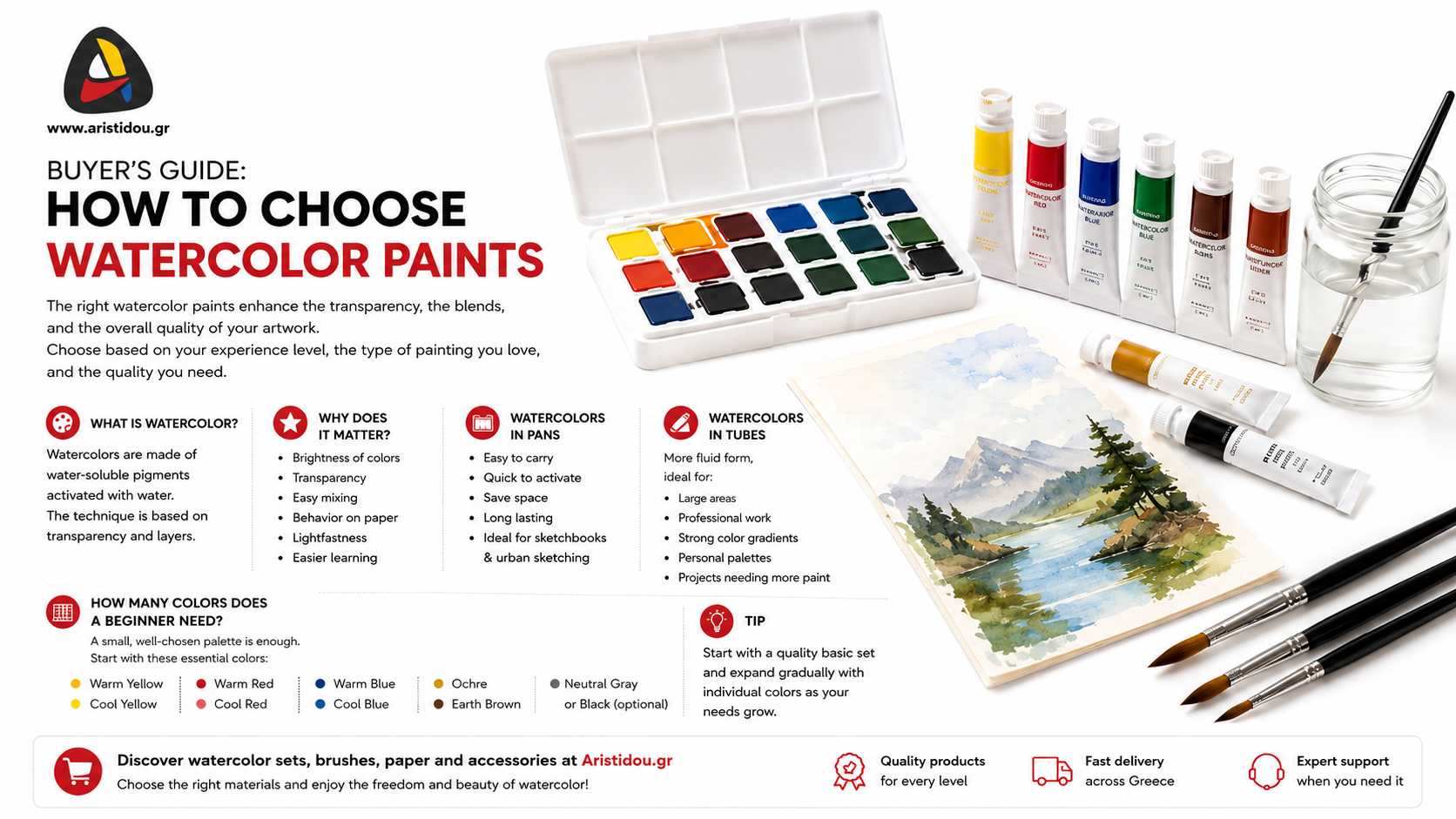
Watercolor Pans
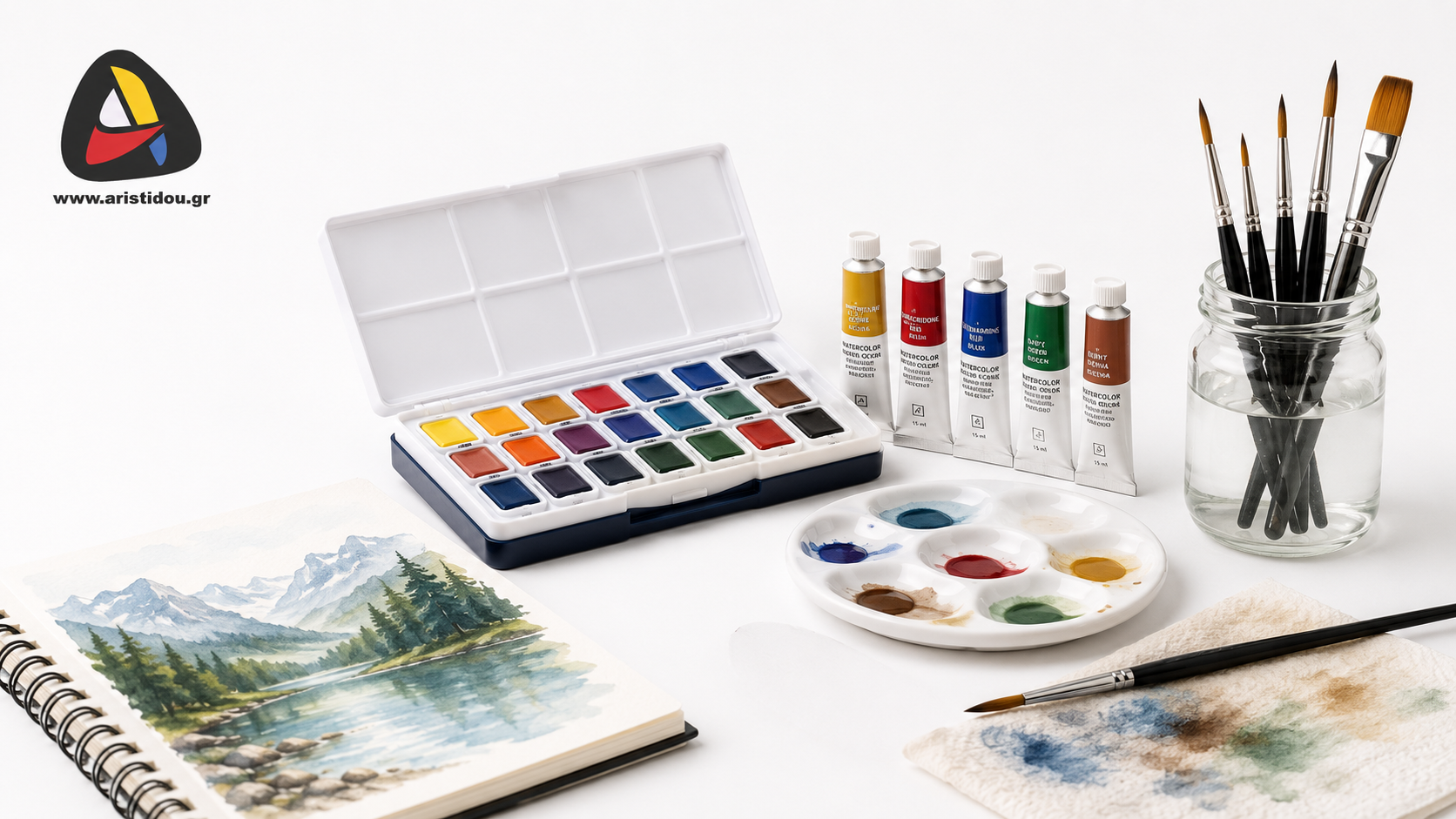
Watercolor pans are the preferred choice for artists who enjoy painting outdoors, traveling, or keeping a compact painting kit.
Benefits include:
- Easy to carry anywhere
- Quick to activate with water
- Compact and lightweight
- Long-lasting
- Perfect for sketchbooks, travel journals, and urban sketching
If you enjoy painting landscapes on location or carrying your supplies in a backpack, a quality pan set is an excellent option.
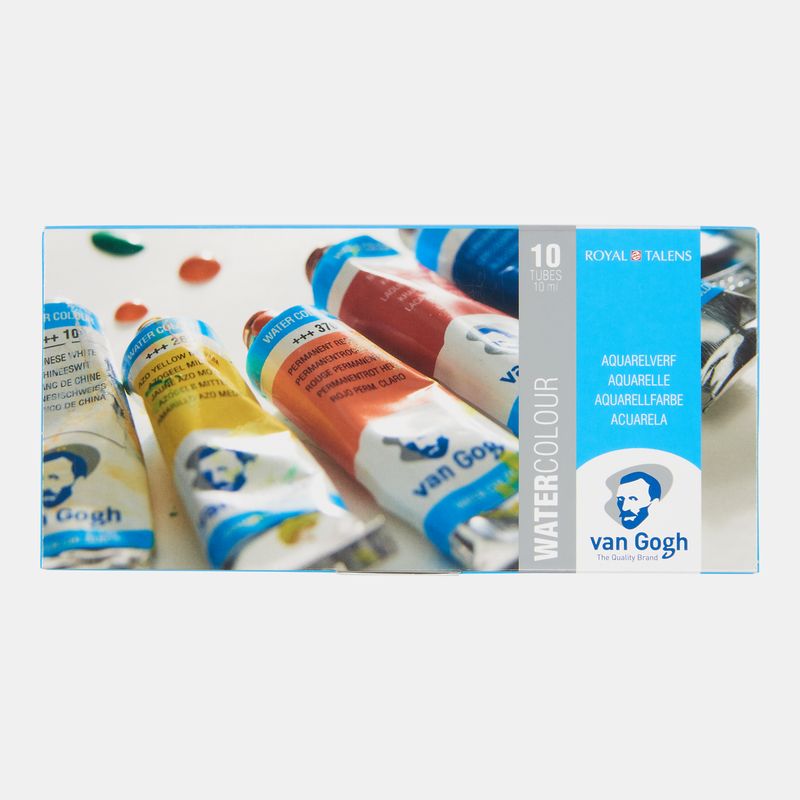
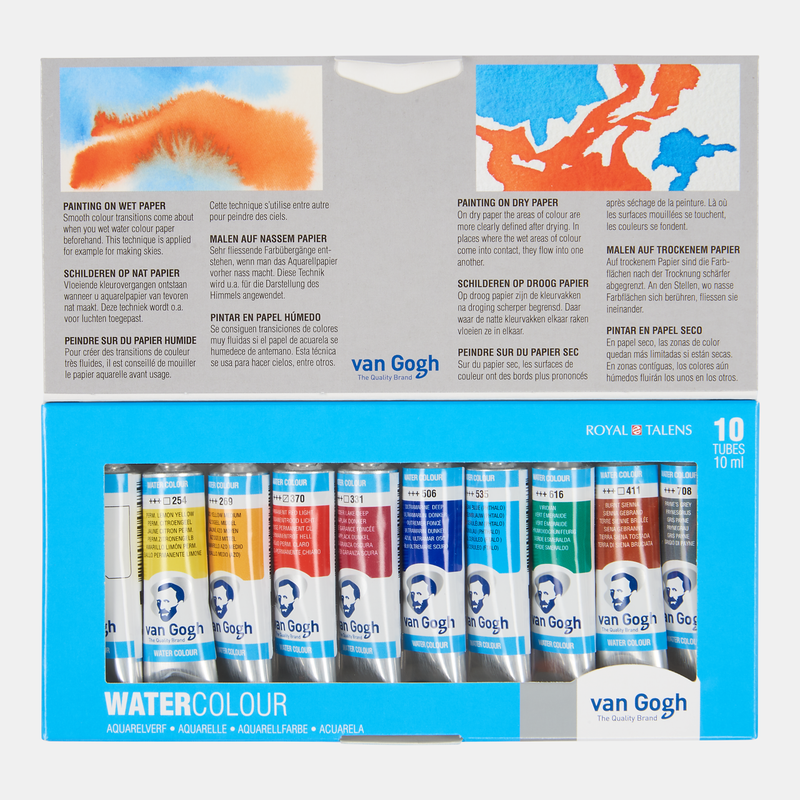
Watercolor Tubes
Tube watercolors contain softer paint that can be squeezed directly onto a palette, making them ideal when you need larger quantities of color.
They're particularly suitable for:
- Larger paintings
- Professional studio work
- Rich, saturated color mixes
- Building a custom color palette
- Techniques that require generous amounts of paint
Many experienced watercolor artists use both formats—filling their palettes with paint from tubes while keeping pan sets for travel and sketching.
How Many Colors Does a Beginner Really Need?
One of the most common mistakes beginners make is buying oversized watercolor sets with dozens of colors.
In reality, a carefully selected basic palette is more than enough to create an impressive range of mixes.
A practical beginner palette usually includes:
- One warm yellow
- One cool yellow
- One warm red
- One cool red
- One warm blue
- One cool blue
- One yellow ochre
- One earth brown
- One neutral gray or black, if desired
With these essential colors, you can mix hundreds of unique shades without needing an enormous collection.
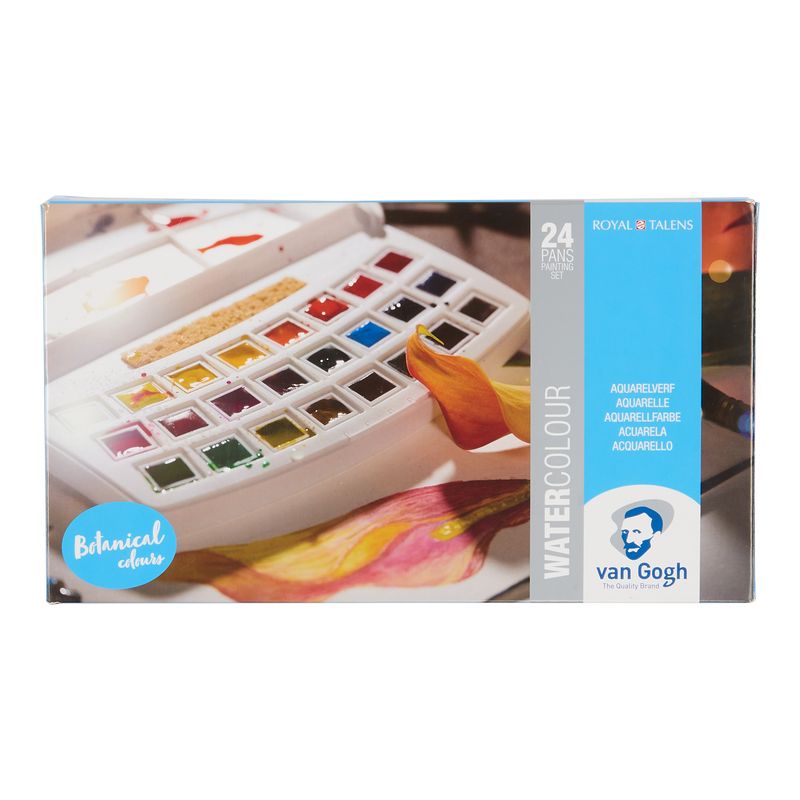
If you're just starting out, a quality introductory watercolor set is often the smartest investment. You can always expand your palette later by adding individual colors as your skills and artistic style develop.