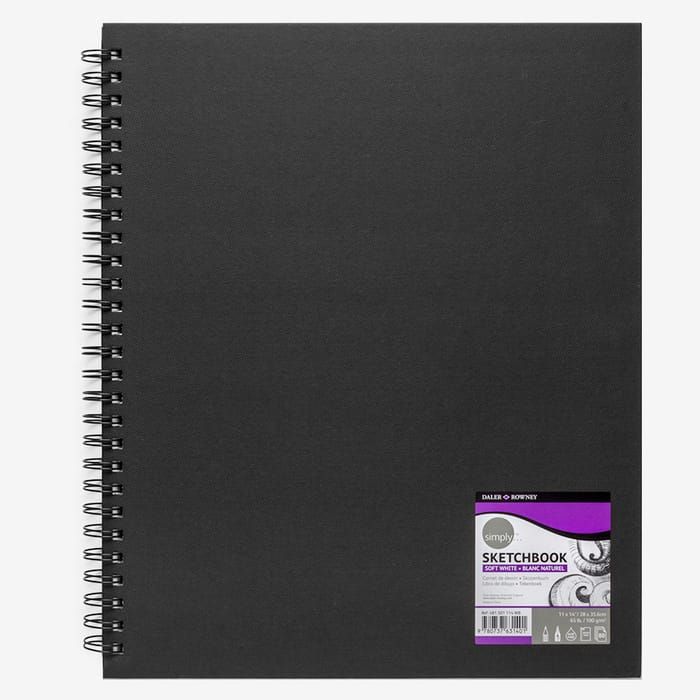
A sketchbook should make you want to pick it up and draw. An attractive cover helps, but the paper, size and binding matter far more once you begin using it.
A book designed for graphite and coloured pencils may not tolerate watercolour. An A4 sketchbook provides plenty of room, but it may spend more time at home than a smaller A5 book that fits easily into a bag.
Before buying, consider four points: the materials you use, the paper weight and texture, the page size and the binding.
Which Sketchbook Do You Need?
The quickest way to decide is to start with your materials.
• For pencil, graphite and daily sketching, choose paper around 100 to 160 gsm with a lightly textured surface.
• For coloured pencils, charcoal and pastel, look for a fine or medium grain that can hold pigment.
• For fineliners and ink, choose an even surface with a subtle grain and test the ink before beginning a finished drawing.
• For mixed media, watercolour pencils, gouache or watercolour, use heavier paper specifically designed for wet techniques.
Understanding Paper Weight
Paper weight is measured in gsm. A higher number usually means a more stable sheet, but it does not automatically make the paper suitable for water or markers.
100 to 120 gsm
This range works well for quick studies, pencil, graphite, notes and regular practice. It keeps the sketchbook light and often provides a generous number of pages.
120 to 160 gsm
This is one of the most useful ranges for general drawing. Depending on the surface, it can support graphite, coloured pencils, charcoal, pastel and fineliners.
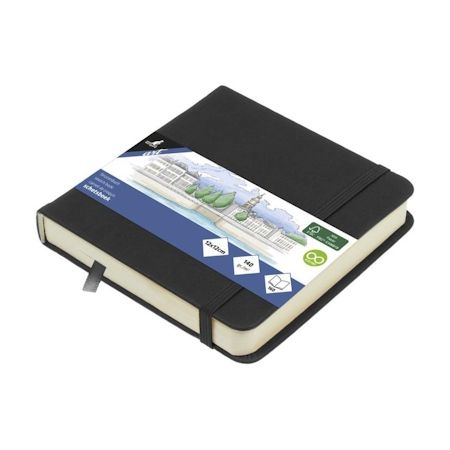
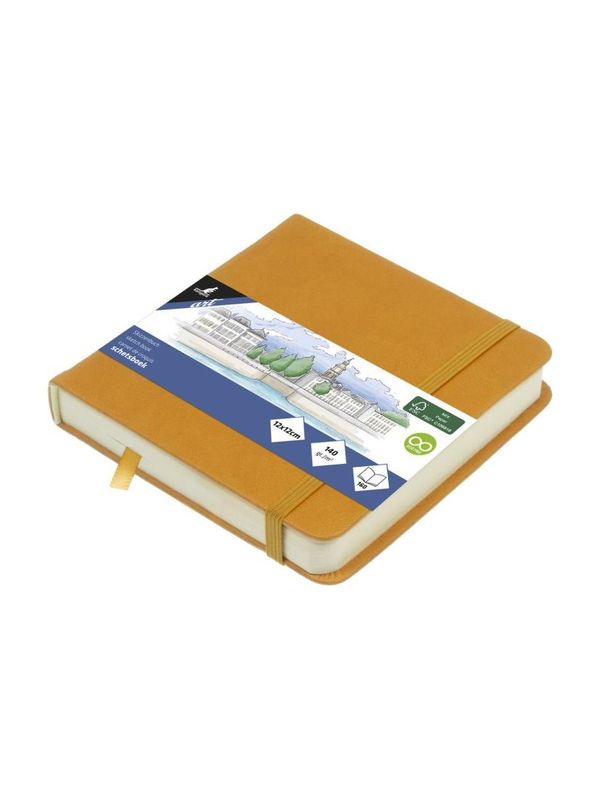
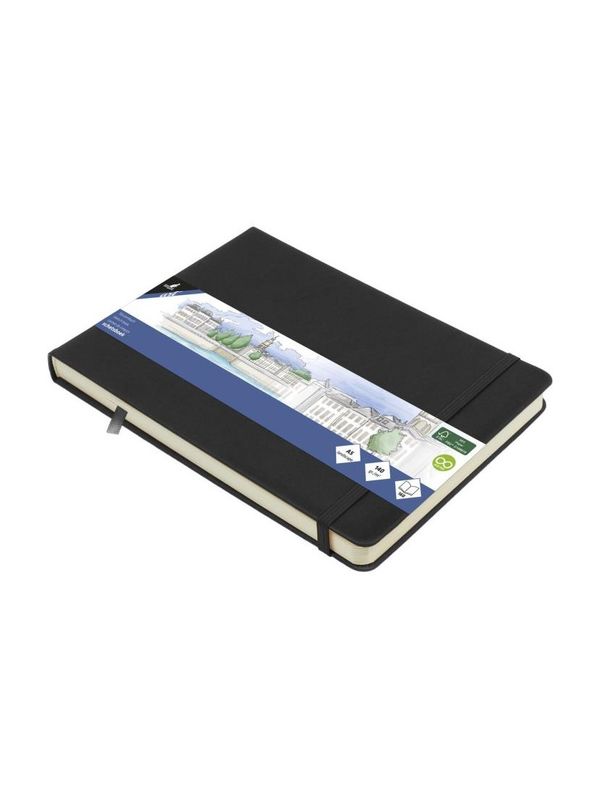
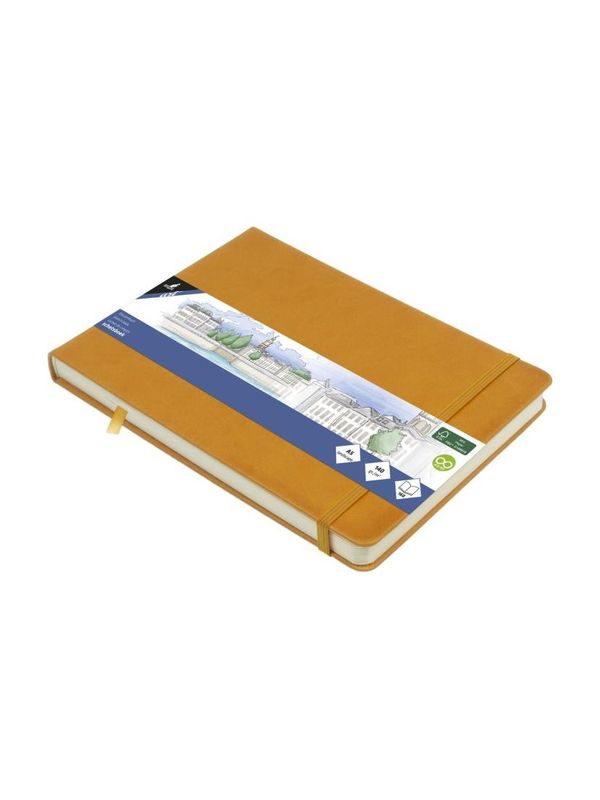
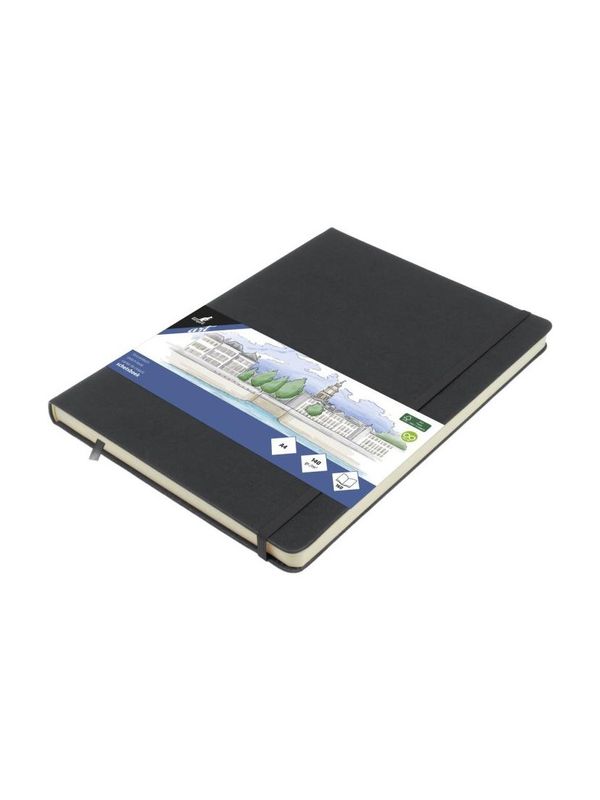
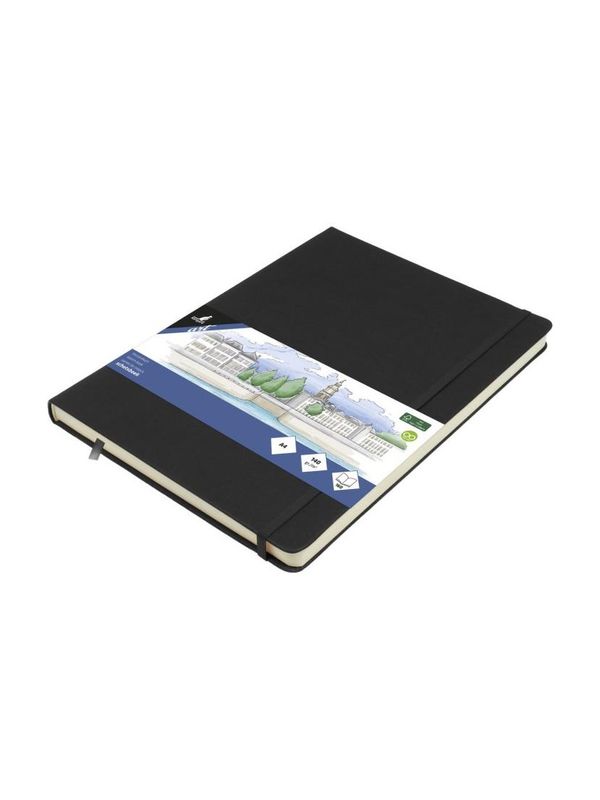
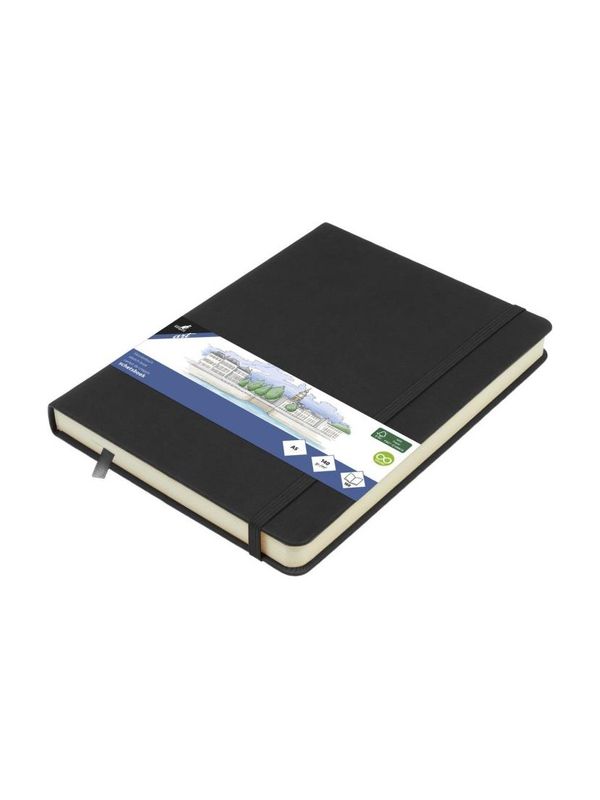
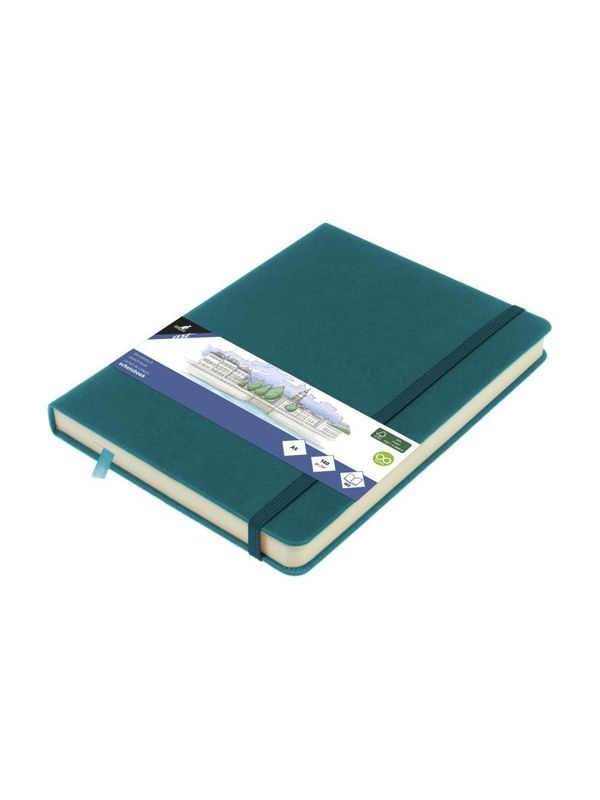
Kangaro A5 and A4 sketchbooks, for example, contain 140 gsm paper and have hard covers. The A5 format is easier to carry, while A4 provides more space for portraits, illustration and larger compositions.
160 gsm and Above
Heavier paper is useful when dry and wet materials are combined. A mixed-media sketchbook may support ink, light washes, gouache and water-soluble coloured pencils when those media are included in the product specifications.
For regular watercolour painting, choose a dedicated watercolour book. Fabriano Watercolour Book uses 200 gsm cold-pressed paper and is intended for watercolour, gouache, water-soluble pencils and mixed media.
Which Paper Texture Should You Choose?
For most drawing techniques, a lightly textured surface is a practical choice.
A fine grain holds graphite and coloured-pencil pigment while remaining controlled enough for details. A medium grain is useful for charcoal, pastel and drawings where the paper texture forms part of the finished work.
For fineliners, choose an even surface with a subtle grain. Always test the pen on a back page, as different ink formulas may behave differently.
Cold-pressed paper has a more visible texture and is usually chosen for watercolour, gouache and mixed media.
A5 or A4?
The most useful sketchbook is the one you will actually carry and open.
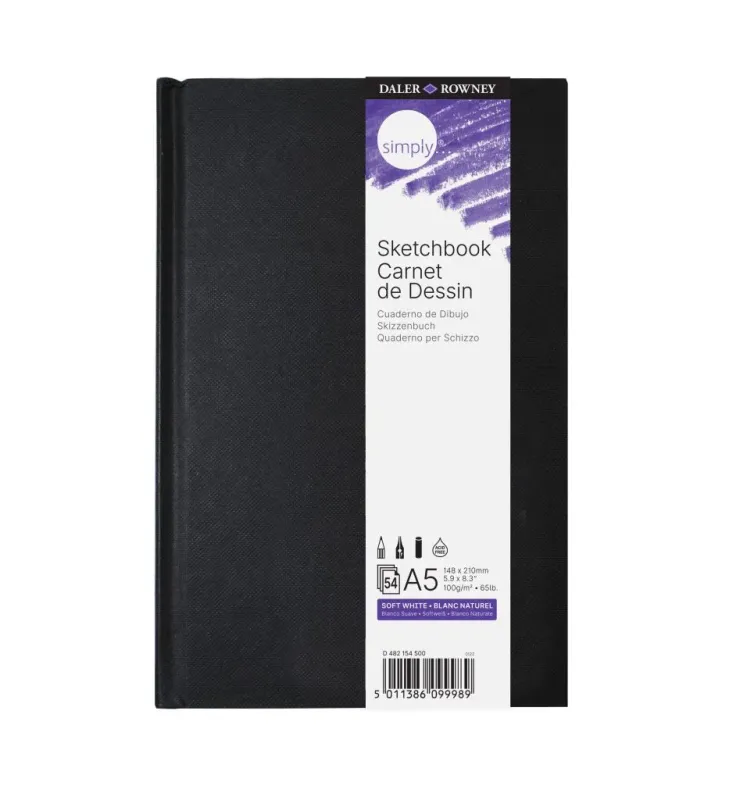
A5
A5 is a practical choice for:
• daily sketching
• urban drawing
• small portraits
• visual notes
• travel
It gives beginners enough room without making the page feel intimidating.
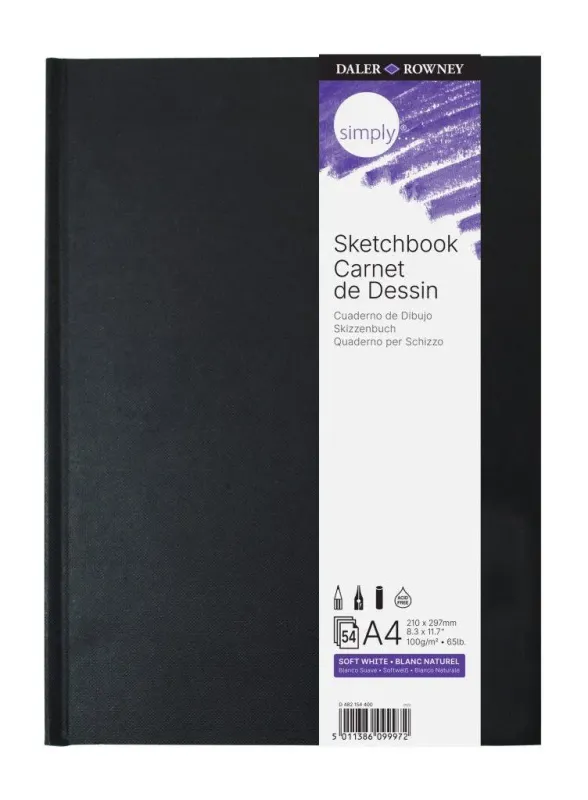
A4
A4 works well for:
• larger compositions
• portrait studies
• fashion illustration
• architectural drawing
• art classes
It provides more freedom of movement but takes up more space.
Square and Landscape Formats
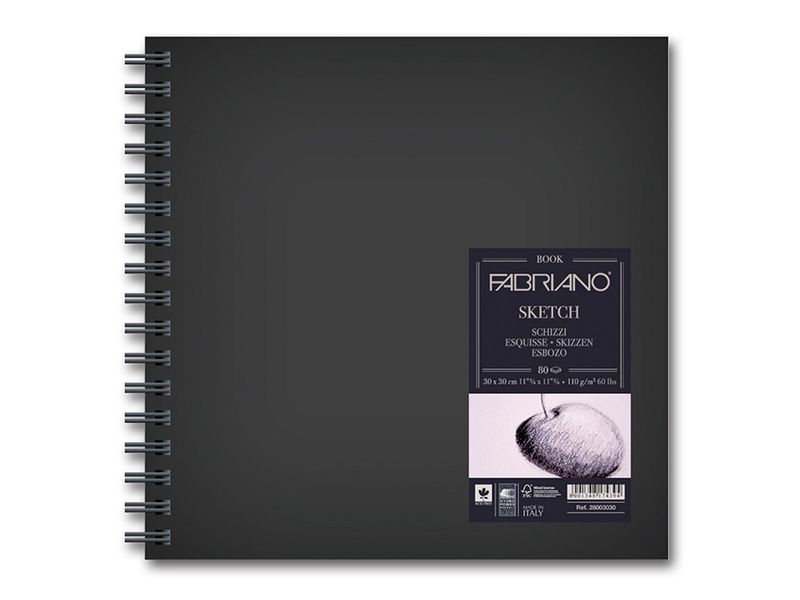
Square sketchbooks are useful for patterns, compact compositions and visual journalling.
Landscape formats suit scenery, architecture and panoramic subjects. The wider page gives horizontal compositions room to develop naturally.
Hardback, Bound or Spiral?
A hard cover protects the pages and provides a firmer surface when you are drawing away from a desk.
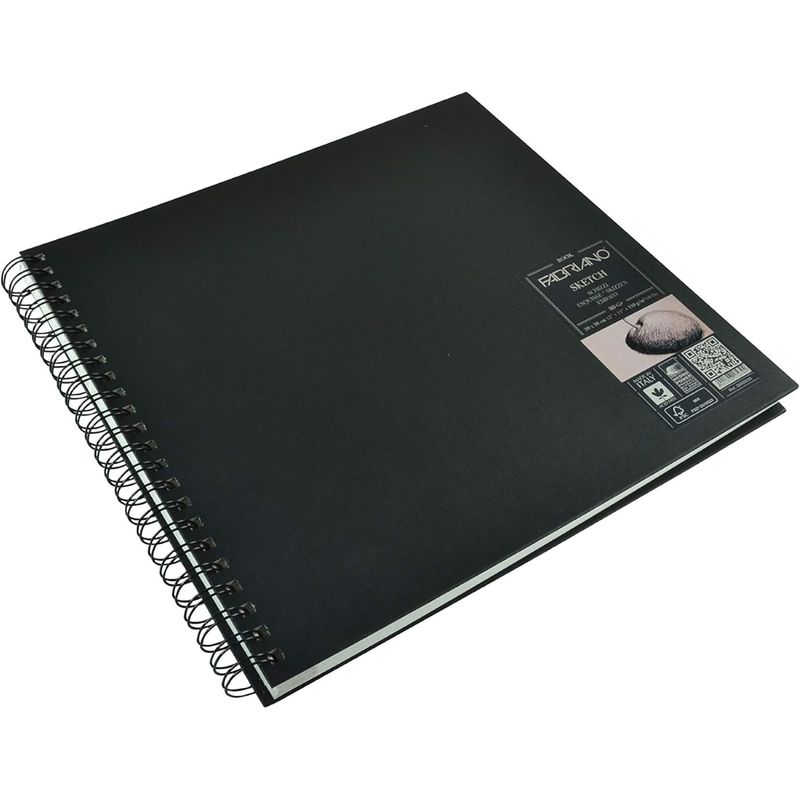
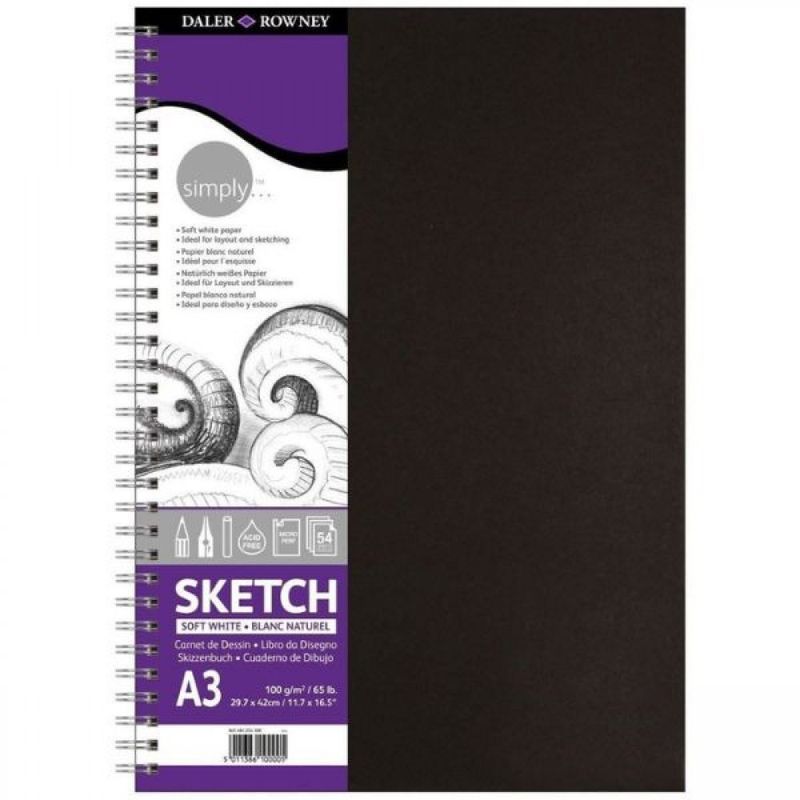
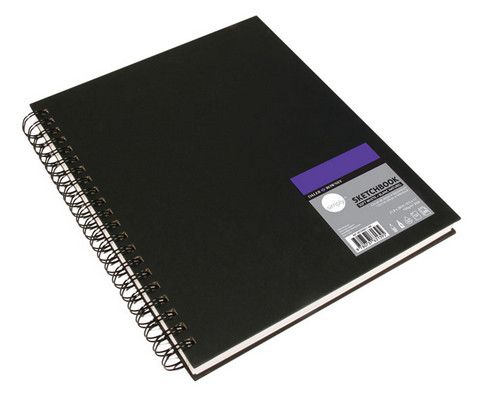
A spiral sketchbook opens completely and allows the page to fold behind the book. This is useful in classes and small working spaces.
A bound sketchbook keeps drawings together in sequence and works well as a visual journal or personal record.
Practical Choices by Technique
For everyday pencil or coloured-pencil drawing, an A5 hardback around 140 gsm is a versatile option.
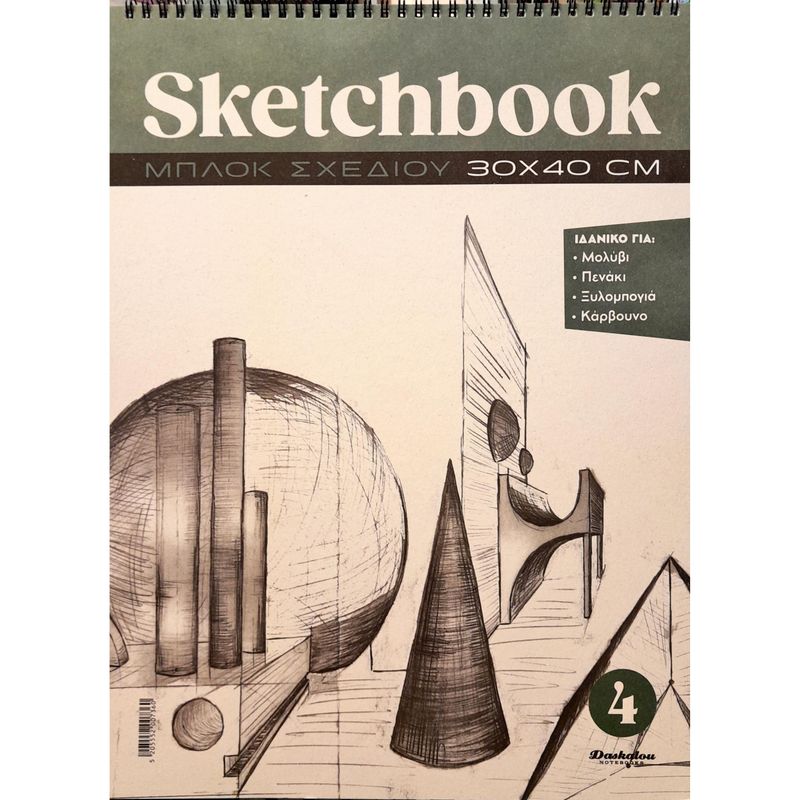
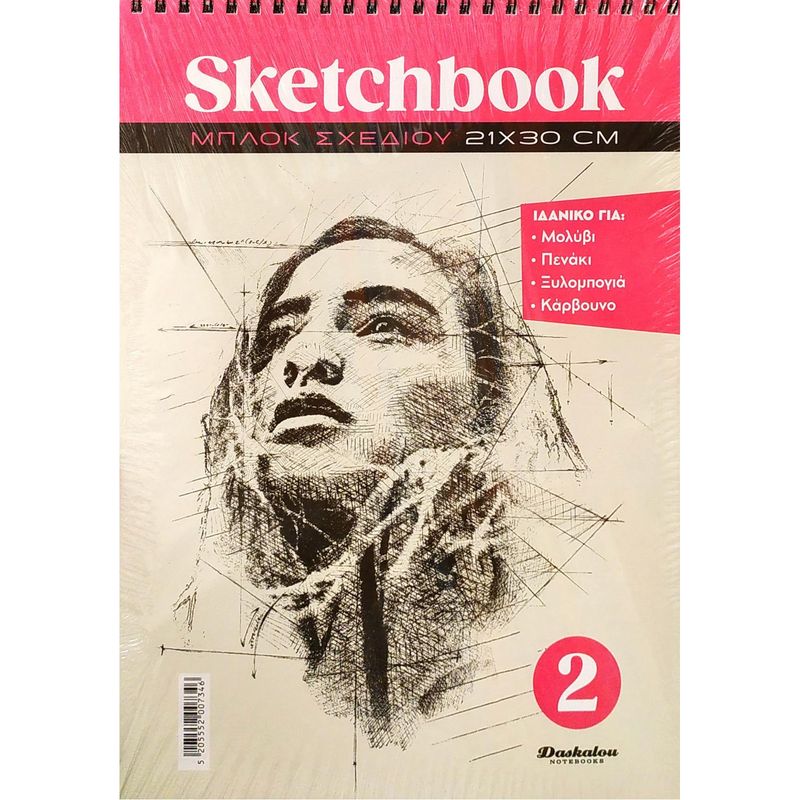
For larger portraits, illustration and art classes, choose A4.
For landscapes and architectural studies, consider landscape orientation.
For mixed media, choose paper specifically described as suitable for both wet and dry materials.
For watercolour, use a dedicated watercolour sketchbook. Ordinary drawing paper may buckle or weaken when exposed to repeated washes.
Common Buying Mistakes
Choosing by the Cover
A good cover protects the book, but the paper determines whether it suits your materials.
Buying a Size You Will Not Carry
A4 offers more space, but a portable A5 sketchbook is often used more regularly.
Assuming Paper Weight Tells the Whole Story
Two papers with the same gsm can have different absorbency and surface treatment. Check the recommended media.
Expecting One Book to Handle Everything
Mixed-media paper is versatile, but it does not always replace dedicated watercolour or marker paper.
What Else Do You Need?
A useful sketching kit may include graphite pencils, coloured pencils, fineliners, charcoal, an eraser, a kneaded eraser and a reliable sharpener.
For watercolour or water-soluble pencils, add suitable brushes and a compact palette.
Aristidou.gr offers drawing sketchbooks, mixed-media books and watercolour surfaces in a range of sizes and paper weights.
Conclusion
Choose a sketchbook according to the materials you use, not simply the cover design.
For pencil, coloured pencils and daily drawing, an A5 book with lightly textured paper around 120 to 160 gsm is a useful all-round option. Choose A4 when you need more space. For watercolour and mixed media, use paper made to tolerate moisture.
The right sketchbook should suit your technique, fit naturally into your routine and feel easy to use often.
Frequently Asked Questions
What paper weight should a sketchbook have?
Around 100 to 160 gsm is usually suitable for pencil and dry media. Watercolour and mixed media require heavier or specially prepared paper.
Which sketchbook is best for coloured pencils?
Choose lightly textured paper with a fine or medium grain. It holds pigment and supports controlled layering.
Which size is best for beginners?
A5 is portable, easy to handle and large enough for daily practice.
Can I use watercolour in a 140 gsm sketchbook?
Only when the paper is specifically described as suitable for wet media. Paper weight alone does not confirm compatibility.
Is a hardback or spiral sketchbook better?
A hardback protects the pages, while spiral binding opens fully and is convenient for classes and quick studies.