Architectural model making depends on accurate measurements, clean cuts and materials suited to the scale of the project.
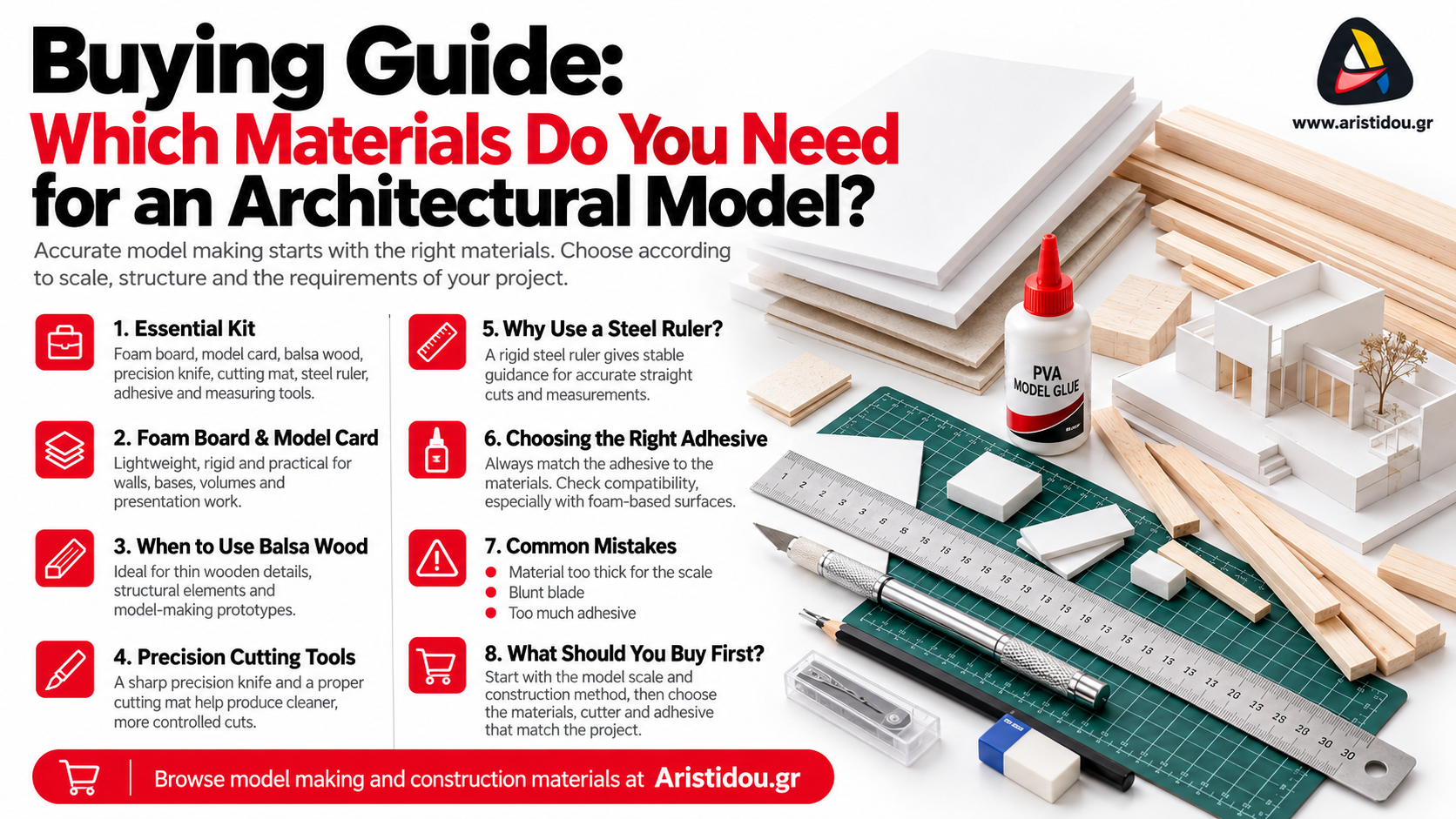
You do not need a large collection of specialist equipment from the beginning. For many student projects, a practical setup starts with foam board or model card, balsa wood, a precision cutter, cutting mat, steel ruler and a suitable adhesive.
Browse model making and construction materials
 The Essential Model Making Kit
A useful starting setup usually includes foam board or model card, balsa wood when required, a precision knife, cutting mat, steel ruler, adhesive and basic measuring tools.
Always select material thickness according to the scale and structure of your model.
Foam Board and Model Card
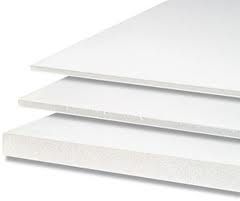
Foam board is widely used for walls, bases, volumes and presentation work because it combines a lightweight structure with useful rigidity.
White Foam Board 70x100cm is available in different thicknesses, allowing you to choose according to the requirements of the model.
Browse the full Foam Boards & Model Cardboards category for other options.
When Should You Use Balsa Wood?
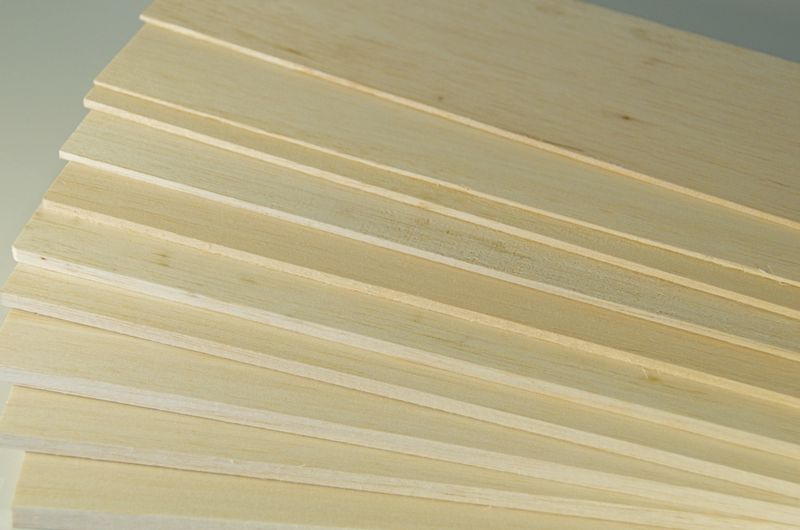
Balsa is a lightweight wood suited to model making, prototypes and architectural details.
Balsa Wood Sheets 10x100cm are useful when a project requires thin wooden components that can be cut and shaped.
You can also browse Balsa & Wood for Model Making.
Precision Cutting Tools
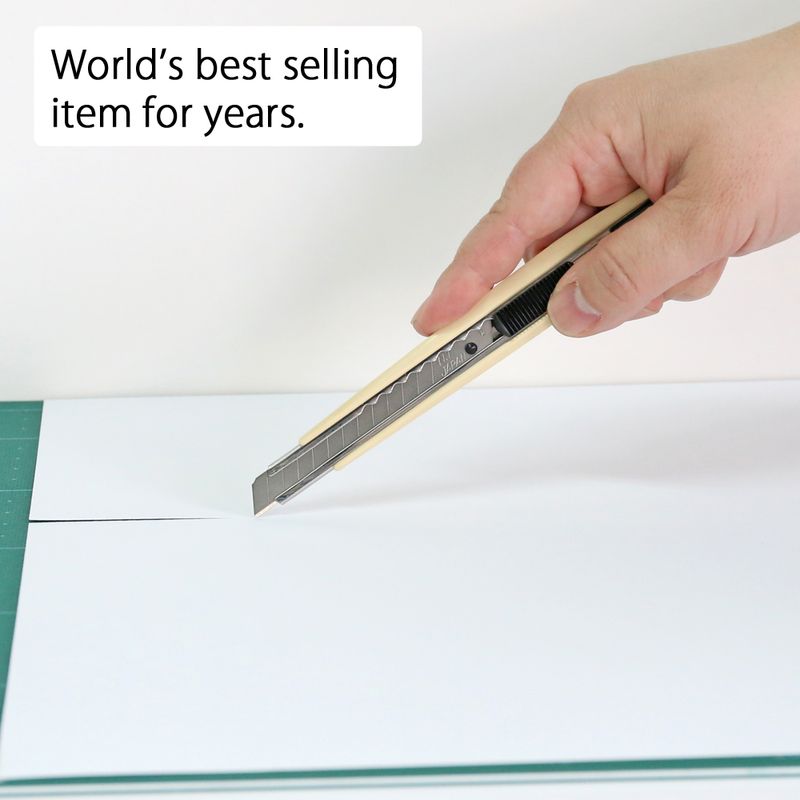
Clean cutting is one of the details that can make a model look considerably more accurate.
The NT Cutter A-300GRP Precision Knife is suitable for detailed cutting in paper, card and model-making applications.
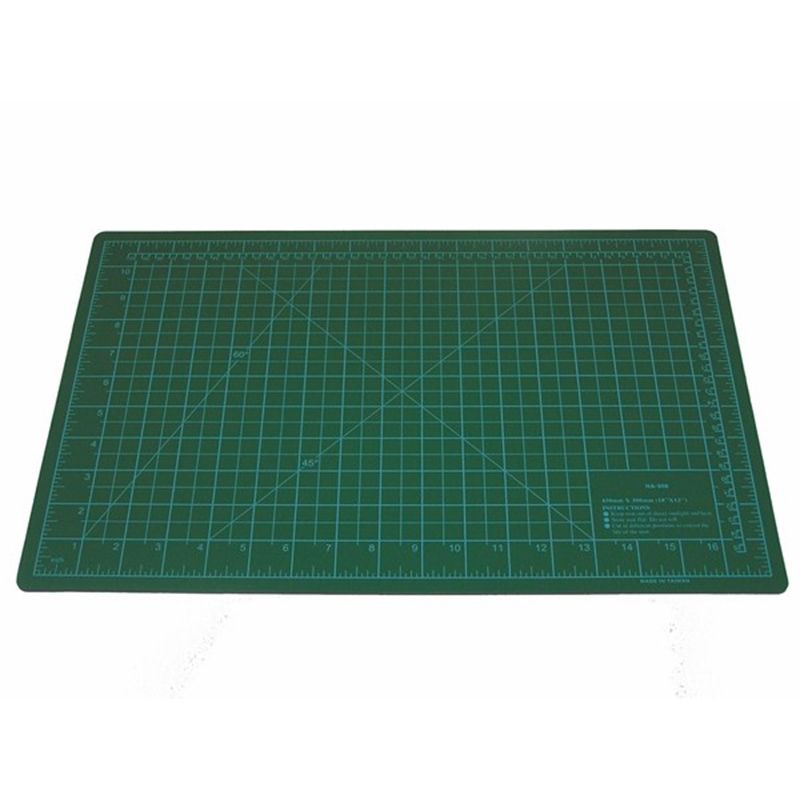
Use a cutter with a suitable cutting surface such as the A3 30x45cm Cutting Mat.
Browse Precision Cutters & Cutting Mats for additional sizes and tools.
Why Use a Steel Ruler?
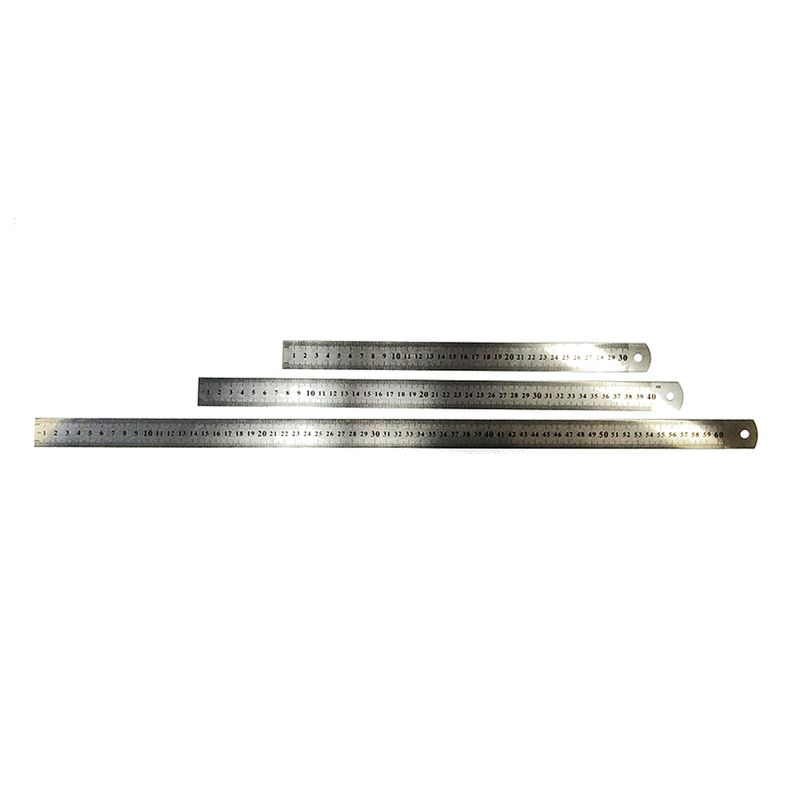
A rigid steel ruler provides reliable guidance when making straight cuts with a craft knife.
The SPADI Steel Ruler is available in several lengths, allowing you to match the ruler to the dimensions of the materials you use most often.
Choosing the Right Adhesive
The adhesive should always match the materials being joined.
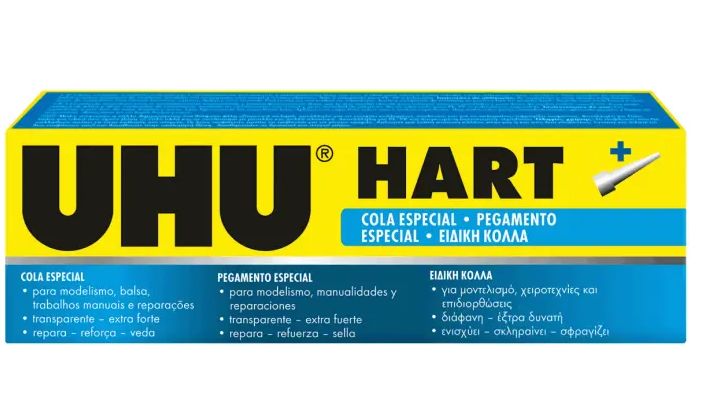
For balsa and wooden model components, UHU Hart 35ml Model Building Adhesive is specifically intended for model-building applications including balsa wood.
With foam-based boards, always check adhesive compatibility before use, as not every formulation is suitable for foam materials.
Common Mistakes
Avoid choosing material that is too thick for the scale of the model, cutting with a blunt blade or applying more adhesive than necessary.
Accurate preparation usually produces cleaner results than trying to correct poorly cut or heavily glued components afterwards.
What Should You Buy First?
Start with the scale and construction method of the project. Choose the foam board, card or balsa first, then select the cutting tools and adhesive that suit those materials.
If your course also involves technical drawing, read Drawing Supplies for Architecture & Engineering Students.
Frequently Asked Questions
What materials do you need for an architectural model?
Typical essentials include foam board or model card, a precision cutter, cutting mat, steel ruler, adhesive and, depending on the project, balsa wood.
Which foam board thickness should I choose?
Choose according to the model's scale, structural requirements and the role of the individual component.
Which cutter is suitable for model making?
A precision knife with a sharp, suitable blade is useful for detailed work and controlled cuts.
Which adhesive should I use for balsa wood?
Choose an adhesive specifically suitable for balsa and model building and follow the manufacturer's instructions.